
Andropogon distachyos
Andropogon distachyos
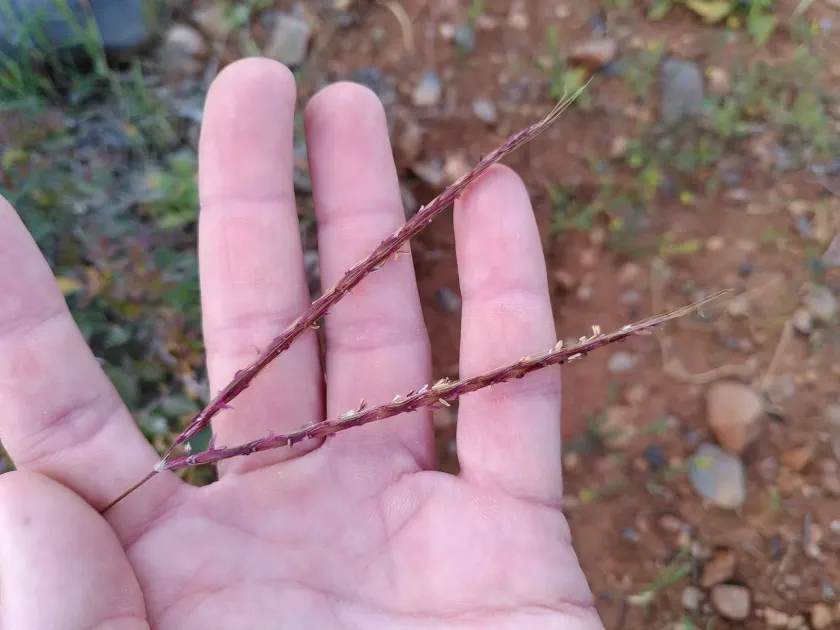
Description
Sowing dates
Andropogon distachyos is a perennial grass species, and its sowing period is typically dictated by local climate patterns. In Mediterranean climates, seeding is most successful during the autumn or early spring when soil moisture is naturally higher.
Optimal germination requires soil temperatures consistently above 15 degrees Celsius. Ensuring a fine, firm seedbed is crucial, as the seeds are small and perform best when lightly covered with soil rather than buried deeply.
For pasture establishment, a row spacing of 25–30 centimeters is recommended to allow adequate room for tiller development. The seeding rate should be adjusted based on the purity and germination percentage of the specific seed lot used.
During the establishment year, the plant focuses heavily on root development, leading to relatively slow top-growth. Careful monitoring for weed competition is essential during these early months to ensure the crop establishes successfully.
Spring sowing is preferred in regions prone to heavy winter frosts, as this minimizes the risk of cold damage to young seedlings before they have established deep root systems.
Growing requirements
Belonging to the Poaceae family, Andropogon distachyos is highly adapted to xeric environments. It thrives in poor, rocky, and alkaline soils, making it an excellent choice for stabilizing erodible landscapes.
This species exhibits significant drought and heat tolerance, allowing it to survive prolonged dry spells that would decimate more sensitive forage crops. It requires full sun exposure and performs poorly in shaded areas.
Soil drainage is a critical requirement for this species. It cannot tolerate waterlogged conditions or high water tables, which can cause root rot and rapid decline of the stand.
The plant demonstrates a high tolerance for calcareous substrates, which makes it particularly useful for the revegetation of degraded karst terrains and challenging slopes.
Native to the Mediterranean Basin, North Africa, and the Caucasus, the plant is biologically synchronized with warm-season growth patterns that maximize resource use during hot summers.
Yield
The yield potential of Andropogon distachyos is moderate, reflecting its nature as a rugged, low-input forage crop. Its true value lies in its reliability under difficult environmental conditions.
Primarily used for extensive grazing, the grass provides a consistent food source for livestock. It is most palatable during its vegetative phase, providing adequate crude protein levels when managed correctly.
Rotational grazing systems are highly recommended to prevent overgrazing and maintain the long-term productivity of the stand. Overgrazing can weaken the root system and reduce plant density over time.
While not a high-intensity crop, productivity can be modestly enhanced through the application of controlled nitrogen levels, which helps maintain higher biomass production throughout the grazing season.
When used for hay production, harvesting must be timed precisely before the plant enters the reproductive phase to ensure the harvested material retains sufficient nutritional quality for winter feed.
Main diseases and pests
Andropogon distachyos possesses robust natural defenses, making it largely resistant to most common fungal and bacterial diseases that affect traditional agricultural cereals.
Pest pressure is generally low. The plant’s tough, fibrous texture and chemical secondary metabolites make it less appealing to many common insect pests, resulting in minimal economic damage.
The greatest threat to this crop is typically competitive pressure from invasive woody weeds and opportunistic annual grasses. Proper site preparation and early weed control are the best preventative measures.
In cases of poor pasture management, physical damage to the plant crown through excessive hoof traffic can predispose the stand to secondary infections or soil erosion, leading to stand loss.
Generally, this species requires very little chemical intervention, making it an excellent candidate for low-chemical input or sustainable farming systems in marginal areas.
Harvesting
Harvesting for hay should occur at the late vegetative or early heading stage to capture the best balance between biomass volume and nutritional content. Delayed harvesting leads to rapid fiber lignification.
Mowing should be performed with a height setting of at least 5–7 centimeters. This ensures the survival of the crown buds, allowing for rapid regrowth and multiple cuttings during favorable seasons.
Once mown, the forage should be left in the swath to cure in the sun. Given its drought-hardy nature, the material dries relatively quickly, preserving its color and nutrients if managed promptly.
Seed harvesting requires diligence, as the seeds shatter easily upon full maturity. Harvesting should be performed during cooler times of the day to minimize mechanical loss during the process.
After harvest, seeds must be thoroughly cleaned and stored in a cool, dry environment to maintain high viability for the next planting cycle, protecting them from moisture and pest damage.