
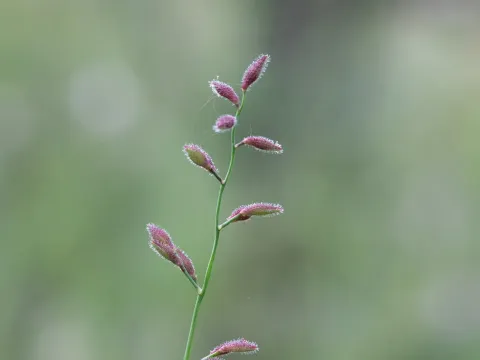
Ancistrachne
Ancistrachne
Ancistrachne is a genus of perennial grasses belonging to the Poaceae family. These plants are primarily recognized for their role as natural forage resources in tropical and subtropical regions, particularly within the diverse landscape of Australia.
What the section contains

Ancistrachne
The genus thrives in well-drained, sandy, or loamy soil types that are characteristic of open woodlands and grassy plains. These environments require a plant species capable of handling low nutrient availability and intermittent periods of moisture stress.
Botanically, Ancistrachne species exhibit specialized structural adaptations, including narrow leaves and distinct inflorescence patterns that facilitate seed dispersal. Their root systems are robust, enabling them to anchor effectively in loose soils and extract moisture during the dry season.
Climate requirements for this culture include high levels of solar radiation and warm temperatures. They are notably resilient to drought, which makes them an essential component of pasture systems in regions where more sensitive forage grasses fail to survive.
In agricultural practice, the primary use of Ancistrachne is for grazing livestock. It provides a steady source of biomass for cattle and other ruminants, helping to maintain pasture productivity in environments where seasonal variations in rainfall are significant.
Ancistrachne species are generally robust, but they may face threats from overgrazing, which depletes root reserves and prevents the plant from recovering efficiently. Maintaining proper stocking rates is critical to the longevity of the pasture.
Diseases such as rust or fungal pathogens may occur under conditions of excessive humidity or poor aeration in the canopy. Management strategies focus on improving air circulation through controlled grazing and avoiding waterlogged conditions.
Insect pests, including various grass-feeding beetles and caterpillars, can occasionally cause damage to the leaf tissue. Biological control methods and regular field scouting are typically sufficient to keep pest populations below the economic injury level.
Weed competition is another concern during the establishment phase. Proper site preparation and the maintenance of a vigorous stand are the best cultural methods to suppress encroaching invasive species that compete for nutrients and water.
Overall, Ancistrachne is considered a hardy species. Integrated pest management (IPM) practices, emphasizing cultural control and responsible grazing management, are highly effective in minimizing threats to these grasses.