
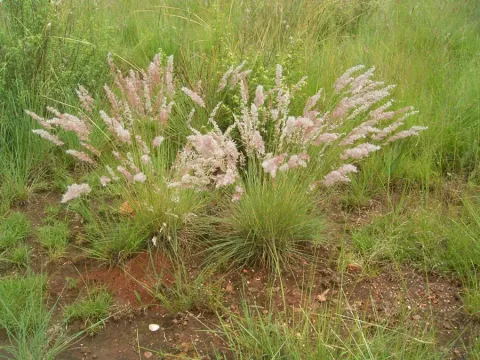
Andropogon eucomus
Andropogon eucomus
Andropogon eucomus is typically propagated through seeds, with the optimal sowing period occurring in the spring once the soil temperature is consistently above 15 degrees Celsius.
What the section contains
Andropogon eucomus
Seeds should be sown in well-prepared, loose soil, ensuring they are not buried too deeply to allow for proper light exposure and uniform germination across the field.
Row planting is the recommended method for field-scale production, as it facilitates weed control and allows for better air circulation among the developing plants.
During the initial stages of establishment, consistent irrigation is necessary to ensure the seedlings develop a robust root system before the onset of hotter, drier conditions.
In regions with a long growing season, strategic timing of sowing can significantly increase the total biomass production by maximizing the plant's active vegetative phase.
As a member of the Poaceae family, Andropogon eucomus is naturally adapted to tropical and subtropical climates, thriving in open, sun-exposed environments with adequate drainage.
The plant is highly resilient and capable of growing in various soil types, including poor or sandy substrates, provided there is no prolonged waterlogging of the root zone.
Climatic requirements are relatively modest, as the species has evolved to tolerate extended dry periods, making it an excellent choice for regions with erratic rainfall patterns.
Proper field management includes ensuring adequate spacing between plants to prevent the buildup of humidity, which can hinder growth and promote the development of plant pathogens.
While adapted to warm conditions, the plant shows a degree of cold tolerance, though it may require specific management practices to persist in areas with severe winter frost.
Andropogon eucomus is valued in agricultural settings primarily for its role as a forage crop, maintaining high nutritional levels even during the drier months when other grasses fail.
The yield of green biomass is responsive to management; rotational grazing or periodic cutting can stimulate rapid regrowth, leading to sustained productivity throughout the season.
Beyond its forage applications, the species serves an ecological purpose by stabilizing soil structures and preventing erosion on slopes through its dense and deep root network.
In ornamental horticulture, the plant is prized for its unique, feathery inflorescences, which maintain their aesthetic appeal for an extended period during the late summer.
Sustainable harvesting practices ensure that the plant retains its vigor, allowing for multiple harvests annually while maintaining soil health and preventing field degradation.
The most significant threats to the crop include fungal diseases associated with excessive moisture, particularly in environments where air circulation is restricted by overcrowding.
Pests that target the stalks and crown area can cause localized damage, necessitating careful monitoring and timely intervention to prevent the spread of infestations across the field.
Prevention strategies emphasize the importance of maintaining field hygiene, such as the removal of dead organic matter, which can serve as a reservoir for pathogens and pests.
Effective agronomic management involves regular scouting to identify early signs of stress or disease, allowing for localized treatments rather than broad-spectrum chemical applications.
Integrated pest management, including the use of biological controls, is highly recommended to protect the long-term viability of the stand and ensure the safety of the produced forage.