
Agrostis delicatula
Agrostis delicatula
Description
Sowing dates
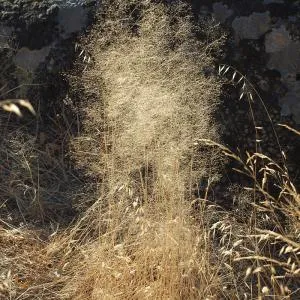
Agrostis delicatula is a perennial grass species belonging to the Poaceae family, naturally occurring in regions of the Iberian Peninsula and North Africa. It is recognized for its fine texture and ability to create dense stands.
For successful cultivation, the sowing process should be performed during early spring. A fine, well-prepared seedbed is essential to ensure that the small seeds have optimal contact with the soil surface.
The seeding rate must be calculated based on the intended use, whether for turf establishment or forage production. Light compaction after seeding helps to retain soil moisture and improves germination rates.
Spring sowing is preferred to allow the plants to establish a robust root system before the onset of high summer temperatures. In specific regions, late summer seeding is possible if irrigation is readily available.
Proper weed control prior to sowing is critical, as young seedlings of Agrostis species are generally slow to establish and can easily be outcompeted by aggressive weeds.
Growing requirements
This species thrives in open, sun-exposed environments. While it has some adaptability to partial shade, full sunlight is required to maintain the density and vigor of the turf.
The soil requirements include well-drained conditions, as the species does not tolerate waterlogged soils well. It performs best on loamy or sandy loam soils with a neutral pH.
Nutrient management is key for Agrostis delicatula. Nitrogen applications should be focused on the early stages of spring growth to encourage leaf production and lateral shoot development.
Irrigation should be managed to avoid surface saturation while ensuring that the root zone remains sufficiently moist during the peak growing season.
Regular maintenance practices such as aeration are beneficial, particularly on compacted soils, to allow oxygen to reach the roots and prevent the accumulation of thatch.
Yield
When grown for seed production, yields are influenced by the uniformity of the stand and the timing of the harvest. Properly managed stands can produce a significant amount of viable seed.
The vegetative yield of this grass is typically high in terms of biomass production, especially under adequate nitrogen fertilization and moisture conditions.
Harvesting for forage should occur before the plants reach full maturity to maximize the nutritional value and palatability of the harvested material.
The longevity of the stand depends on regular maintenance, including controlled grazing or mowing, which prevents the grass from becoming overly stemmy.
Overall economic returns are maximized when the crop is managed for consistent, high-quality output rather than excessive, rapid growth.
Main diseases and pests
Fungal diseases are the primary threat, especially in humid climates. Pathogens such as Sclerotinia or Rhizoctonia can cause significant damage to the foliage and root systems.
Pest pressure from soil-dwelling insects, such as grubs or cutworms, can lead to the deterioration of the grass density, requiring prompt integrated pest management (IPM) measures.
Competition from invasive annual grasses often poses a risk during the first year of establishment. Monitoring for weeds and selective hand-pulling or spot treatment is recommended.
Environmental stress, such as extreme drought or heat, can weaken the plants, making them more susceptible to secondary infections and infestations.
Preventative measures, including ensuring good airflow and maintaining proper soil moisture levels, are the most effective ways to mitigate the risk of disease outbreaks.