
Aegilops searsii
Aegilops searsii
Aegilops searsii is a diploid grass species belonging to the Poaceae family, recognized primarily for its role as a wild relative of cultivated bread wheat (Triticum aestivum).
What the section contains
Aegilops searsii
The species is native to the Middle East, specifically distributed across regions in Israel, Jordan, Lebanon, and Syria, where it has evolved in semi-arid environments.
It typically occupies rocky slopes, grasslands, and disturbed habitats, demonstrating a remarkable ability to survive in environments with low annual rainfall.
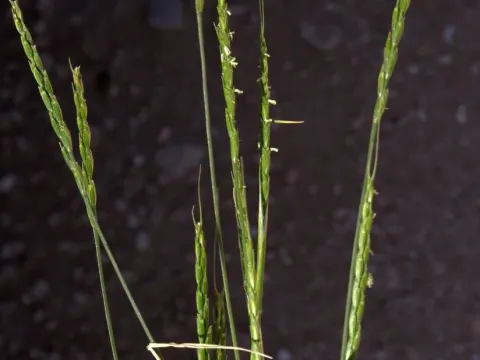
Botanically, the plant is characterized by its slender stems and distinctive spikes, which are adapted for wind pollination and efficient seed dispersal in dry climates.
In modern agronomy, the importance of Aegilops searsii lies in its genetic reservoir, providing valuable traits such as stress tolerance that can be introgressed into commercial wheat lines.
Like many wild grasses, Aegilops searsii can be susceptible to fungal diseases such as leaf rust and powdery mildew, depending on the specific environmental conditions and pathogen pressure.
Pests that commonly affect this species include various aphids and cereal leaf beetles, which can cause significant damage to foliage during the spring growth phase.
The species exhibits robust resistance to several strains of soil-borne pathogens and root rot, making it a valuable target for research in breeding more resilient wheat cultivars.
Human activities, particularly overgrazing and urban expansion in its native range, pose the most significant threat to the survival of wild populations of this species.
Maintaining biological diversity and ensuring the conservation of Aegilops searsii germplasm is essential for protecting the future of global wheat production against environmental stressors.