
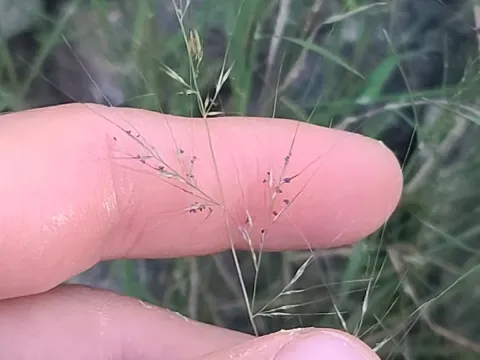
Aegopogon
Aegopogon
Aegopogon is a genus of grasses belonging to the Poaceae family. These plants are typically characterized by their slender growth and adaptability to diverse environmental conditions, primarily found in the Americas, ranging from the southern United States to Argentina.
What the section contains
Aegopogon
The distribution of this genus spans a variety of habitats, including mountainous regions, woodland edges, and open slopes. Aegopogon species are known for their ability to thrive in thin soils and varying levels of sun exposure, making them a common component of native grasslands.
Regarding soil requirements, these grasses prefer well-drained substrates. While they can tolerate periods of moisture, they are highly sensitive to waterlogging, which can compromise the health of their root systems.
Botanically, Aegopogon features distinctive small spikelets often arranged in loose inflorescences. The structural integrity of their stems allows them to withstand various climatic pressures, including high winds typical of mountainous environments.
Although not widely cultivated as a commercial crop, Aegopogon plays an essential role in ecological stability. It serves as a source of forage in extensive grazing systems, contributing to the overall productivity of natural pastures.
Aegopogon is susceptible to typical fungal diseases found in wild grasses, with rust infections being the most common. These fungi appear as powdery pustules on the leaf surfaces, especially during warm and humid weather conditions.
Powdery mildew represents another threat, particularly in crowded plant populations where airflow is restricted. This condition can significantly reduce the vitality of the plant by covering leaf tissue and inhibiting photosynthesis.
Insect pests such as cereal aphids are known to feed on the sap of the stems and leaves. Such infestations can cause growth stunting and leave the plant vulnerable to secondary pathogen infections.
Stem-boring insects may also affect the vascular system of the grass. Their feeding activities often create entry points for bacteria and secondary fungal infections that further weaken the plant structure.
Management of these threats in natural settings relies primarily on sustainable grazing practices. By preventing overgrazing, landowners help ensure the long-term health and resilience of the vegetation against common pests and diseases.