
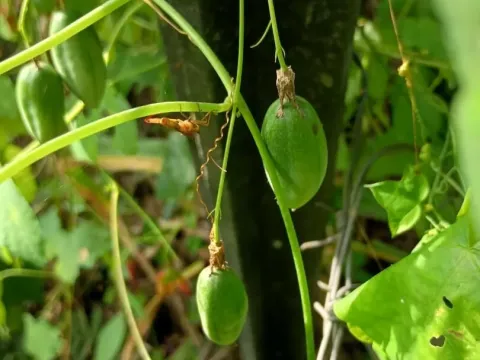
Slender passionflower
Passiflora gracilis
Passiflora gracilis is typically cultivated as an annual climber, necessitating a seed-starting approach to ensure a long growing season in temperate regions.
What the section contains
Slender passionflower
Seeds should be sown indoors in late winter or early spring in a well-draining seed-starting mix, maintaining temperatures between 22 and 25 degrees Celsius.
Seedlings require transplanting into individual pots once they develop their first set of true leaves, which promotes healthy root system development before final placement.
Hardening off the plants is a critical stage that must be performed gradually before moving them outdoors to withstand the change in light and temperature.
Transplanting to a permanent outdoor location should only occur once all danger of frost has passed, as the species is highly sensitive to cold weather.
As a member of the Passifloraceae family, this vine originates from South America and thrives in warm, sunny locations with high ambient humidity.
The plant requires rich, well-draining soil with a slightly acidic to neutral pH, enriched with organic matter to support its rapid vertical growth.
Sufficient sunlight is essential for flowering and fruit set, though in regions with extreme heat, partial afternoon shade can prevent leaf scorch.
Watering must be consistent to keep the soil moist but not waterlogged, as the root system is prone to decay in stagnant, overly wet conditions.
Support structures like trellises or wires are necessary to accommodate the vining habit, allowing the plant to reach its full aesthetic and production potential.
Spider mites are a primary pest, particularly in dry environments, and can cause significant damage by sucking sap from the undersides of the leaves.
Aphids frequently colonize the tender tips of the vines, potentially transmitting viral diseases and stunting the overall growth of the plant.
Powdery mildew is a common fungal issue that arises when air circulation is poor and humidity levels fluctuate significantly during the growing season.
Root rot remains a frequent threat if the drainage is inadequate or if the plant is overwatered during cooler periods when transpiration rates are low.
Effective management includes regular monitoring for pests, ensuring adequate spacing between plants, and maintaining good garden hygiene throughout the cycle.