
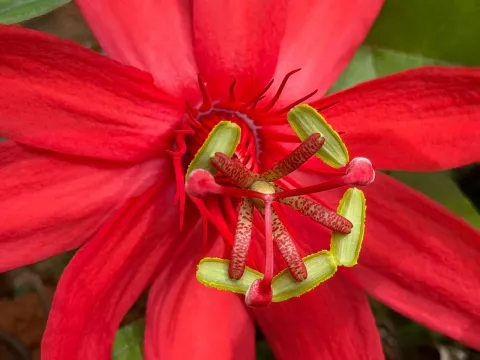
Tetrapathaea tetrandra
Tetrapathaea
Tetrapathaea tetrandra, commonly referred to as the New Zealand passionfruit, is a unique woody climber belonging to the Passifloraceae family.
What the section contains

Tetrapathaea tetrandra
In the wild, the plant reproduces through seeds dispersed by birds that consume the fleshy, orange fruits and deposit seeds across the habitat.
For cultivation, seeds should be sown immediately after harvesting from mature fruits, as they tend to lose their viability quite rapidly upon drying.
A period of stratification in a cool, moist environment is beneficial for breaking seed dormancy and ensuring a uniform germination rate.
The ideal sowing time is early spring, which allows the seedlings to establish a strong root system during the natural growing season.
This species requires a temperate climate and protection from severe frosts, which can damage the tender stems and young foliage of the vine.
The plant thrives in well-drained, fertile soil with a neutral to slightly acidic pH, mirroring the conditions of its native forest edges.
As a climbing vine, it necessitates sturdy support structures like trellises or fences to encourage upward growth and maximize solar exposure.
While the plant enjoys bright, sunny positions, providing some afternoon shade can prevent the roots from overheating and reduce stress.
Consistent moisture is vital, particularly during the flowering and fruiting stages, but soil must never become waterlogged to avoid root decay.
Tetrapathaea is a dioecious plant, meaning that both male and female plants must be grown in close proximity to ensure successful pollination.
The fruits are small, bright orange berries that contain numerous seeds embedded in a sweet, aromatic pulp highly prized in its native range.
Yields are heavily dependent on the presence of pollinators; therefore, creating a garden environment attractive to insects is essential.
While not a major commercial crop, it is increasingly popular among hobbyists and collectors of rare, exotic native fruiting plants.
The culinary use is primarily focused on fresh consumption, though the fruit can also be incorporated into gourmet desserts or exotic jams.
Fungal pathogens represent the primary threat to the vine, often triggered by excessive humidity levels and insufficient airflow within the canopy.
Aphids and spider mites are common pests that target young leaves and soft stems, potentially hindering the plant's overall development.
Root rot, caused by poor soil drainage or overwatering, remains a significant danger that can lead to the sudden collapse of the plant.
Integrated pest management, including regular inspection and the use of organic deterrents, is recommended for maintaining plant health.
Proper pruning practices help in thinning out overcrowded foliage, which significantly improves ventilation and reduces the prevalence of infections.
Harvesting should be timed with the change of the fruit color from green to vibrant orange, indicating full physiological ripeness.
Great care must be exercised during the harvest to prevent snapping the delicate stems of the vine or damaging the thin skin of the berries.
Post-harvest, the fruits should be kept in a cool, shaded environment to prevent premature degradation and maintain their sweetness.
Monitoring the firmness of the fruit allows growers to identify the optimal moment for harvesting before the berries drop naturally.
Once picked, the fruits have a relatively short shelf life and are best utilized within a few days to capture the peak of their flavor profile.