
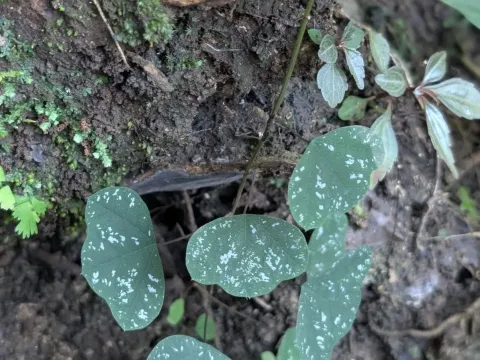
Two-flowered passion flower
Passiflora biflora
Passiflora biflora, commonly known as the two-flowered passion flower, belongs to the Passifloraceae family. Native to tropical regions of Central and South America, this vine is prized for its unique foliage and distinct floral structure.
What the section contains
Two-flowered passion flower
The leaves of this species are iconic, usually divided into two lobes resembling butterfly wings. As a climbing plant, it requires a sturdy trellis or support system to thrive and display its foliage effectively in an indoor or greenhouse environment.
For optimal growth, the soil must be well-draining, rich in organic matter, and slightly acidic. It is crucial to maintain a consistent moisture level while ensuring that the root system never sits in stagnant water to prevent rotting.
The plant thrives in warm tropical conditions, ideally with temperatures ranging between 22 and 28 degrees Celsius. It requires bright, indirect sunlight, as direct harsh sunlight can scorch the delicate leaves during peak midday hours.
Regular fertilization with a balanced liquid fertilizer during the active growing season is essential to support the rapid vining growth. Pruning should be performed to maintain the desired size and encourage healthier side branches.
Common pests affecting Passiflora biflora include spider mites and mealybugs. These pests thrive in dry environments, making it essential to monitor the plant closely and maintain adequate humidity levels in the growth area.
Root rot is a significant concern for this species, usually caused by overwatering or poor soil drainage. If the leaves begin to yellow or wilt unexpectedly, the root zone should be inspected immediately for signs of decay.
Powdery mildew can appear on the foliage when air circulation is poor or humidity levels fluctuate too drastically. Improving ventilation and maintaining a stable environment are the best preventative measures for this fungal issue.
Scale insects may also attach themselves to the stems, causing stunted growth and leaf drop. Manual removal or the use of neem oil-based treatments are often effective for small infestations.
To ensure long-term plant health, growers should practice strict sanitation by cleaning tools after every use and removing fallen debris from the soil surface to prevent fungal and bacterial accumulation.