
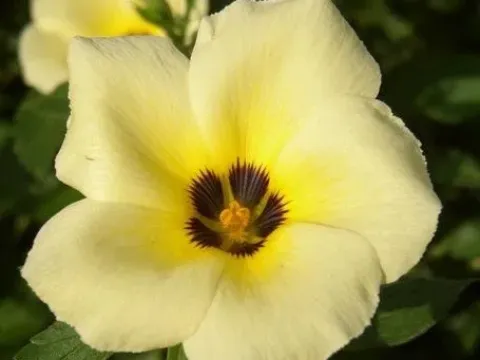
Turnera subulata
Turnera subulata
Turnera subulata, commonly known as white alder or sulphur alder, is a perennial herbaceous plant belonging to the Turneraceae family. It is widely recognized for its medicinal properties and ornamental value in tropical gardens.
What the section contains
Turnera subulata
Propagation is typically done via seeds, which should be sown in a well-draining seed-starting mix. The optimal time for sowing is late winter, allowing the plants to establish before the peak summer heat.
Seeds require warmth to germinate effectively. Maintaining a constant temperature of approximately 24 degrees Celsius and high humidity levels in a greenhouse environment will lead to faster emergence.
Once seedlings have developed two sets of true leaves, they should be transplanted into individual pots. This practice encourages a strong, healthy root system that is vital for the plant's subsequent growth in the ground.
Acclimatization is a crucial step before final transplantation. Moving seedlings outdoors during the day and bringing them in at night for a week helps the plants adapt to fluctuating outdoor conditions.
This species thrives in full sunlight, which is necessary for the production of its signature white flowers with dark centers. Insufficient light leads to "leggy" growth and a significant reduction in flower count.
The soil should be sandy, loamy, and slightly acidic to neutral. Good aeration is essential to prevent the roots from suffocating, as Turnera subulata is sensitive to waterlogged conditions.
Moderate but consistent irrigation is recommended. While the plant can survive short periods of drought, regular moisture ensures that the plant continues to produce flowers throughout the growing season.
Organic mulching around the base of the plant can help retain moisture in the soil and suppress weed growth. However, care should be taken to keep the mulch away from the main stem to prevent rot.
Fertilization with a balanced NPK fertilizer during the active growing phase supports lush foliage development and continuous blooming. Avoid excessive nitrogen, which promotes leaves at the expense of flowers.
Aphids are a frequent concern for Turnera subulata, especially on new, tender growth. They extract sap, which can cause leaf curling and transmit viral diseases to the plant.
Spider mites are another common pest in hot, dry environments. They manifest as fine webbing between leaves and can cause yellowing and premature leaf drop if not managed promptly.
Root rot is the most significant disease threat to this plant. It is primarily caused by fungal pathogens such as Pythium or Phytophthora, usually triggered by poor drainage or overwatering.
Fungal leaf spots can occur if foliage remains wet for extended periods. Proper spacing between plants and ensuring good air circulation are the best cultural practices to mitigate this risk.
Regular monitoring of the plants and applying horticultural soap or neem oil can help keep pest populations under control without resorting to harsh chemical treatments.