
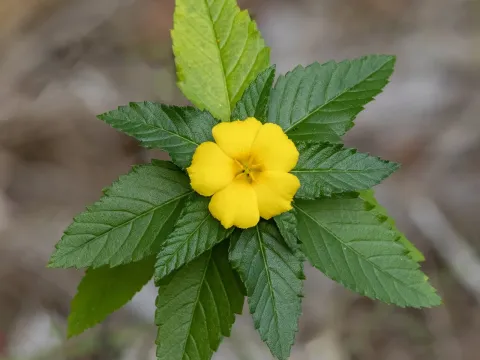
Turnera angustifolia
Turnera angustifolia
Sowing of Turnera angustifolia is primarily performed using seeds in well-warmed soil or via indoor propagation in controlled environments. Given the plant's sensitivity to cold, sowing must be synchronized with the absence of potential frost in the region.
What the section contains
Turnera angustifolia
Seed preparation, including gentle stratification or soaking, can significantly enhance germination rates. Sowing depth should be kept shallow, as the small seeds require light exposure to trigger the germination process effectively.
For container or nursery-based starts, planting occurs several weeks before the outdoor transplanting phase. This transition helps seedlings develop a robust root structure, making them more resilient when introduced to the open field.
Plant density should be calibrated to avoid overcrowding, which is essential for maximizing air circulation and leaf quality. A spacing regime based on local field capacity is recommended to maintain optimal growth conditions for the crop.
Proper site selection involves choosing locations that offer protection from high-velocity winds, as mechanical damage can easily compromise the plant's delicate stems and overall vigor during early growth stages.
Turnera angustifolia, a member of the Turneraceae family, is a distinct tropical plant that thrives in warm, humid climates. It requires consistent temperature ranges, ideally between 20°C and 30°C, to support active vegetative growth.
The ideal soil substrate consists of well-drained, sandy or loamy compositions with a near-neutral pH balance. Avoiding water stagnation is critical, as the roots are highly susceptible to rot if subjected to excess soil moisture.
High solar irradiance is necessary for the plant to achieve its full potential in both size and medicinal compound development. A minimum of 6 to 8 hours of direct daily sunlight is essential for maintaining healthy metabolic rates.
Irrigation practices must be precise; regular but moderate watering is preferred to mimic the plant's natural habitat conditions. Drip irrigation systems are highly effective in maintaining the constant moisture levels required by the crop.
Strategic fertilization during the peak growth season, focusing on balanced NPK ratios, can significantly boost foliage production. Organic amendments are often preferred to maintain soil structure and enhance the nutrient profile of the plantation.
Common pests affecting Turnera angustifolia include spider mites and aphids, particularly in areas with fluctuating humidity levels. Early detection through regular crop inspection is vital for effective pest management strategy implementation.
Fungal pathogens and root rots are frequent issues resulting from improper drainage or excessive irrigation practices. Crop rotation and maintaining dry soil surfaces between watering sessions are key preventive measures.
Invasive weeds pose a significant competition risk during the seedling phase, as they compete for limited space and light. Regular mechanical weeding or application of organic mulch is necessary to keep the fields clean and productive.
Physical stress from environmental factors or inadequate handling can weaken the plant, making it more vulnerable to opportunistic infections. Maintaining a clean and controlled field environment is essential for long-term health.
Effective pest and disease control requires an integrated approach that prioritizes biological agents over chemical alternatives where possible. Sustaining the overall health of the crop helps plants naturally resist many minor environmental threats.
Harvesting Turnera angustifolia focuses on collecting foliage and flowering parts, typically during the full bloom phase to ensure the peak concentration of its valuable natural compounds. Manual picking remains the preferred method for high-quality produce.
Immediately after collection, the plant material must be prepared for drying to prevent decomposition. Fast handling and transport to the processing facility are necessary to ensure the integrity of the harvested plant parts.
Drying is conducted in controlled environments, ensuring shade and high ventilation to remove moisture without damaging sensitive phytochemicals. Temperatures must be regulated, typically staying below 45°C throughout the process.
Once dried to the correct moisture level, the product should be cleaned of impurities and sorted by quality. Proper sealing and storage in cool, dark, and dry conditions protect the product from degradation after processing.
The harvested crop serves as a key raw material for various pharmaceutical and nutraceutical applications, underscoring the importance of standardized harvesting and post-harvest procedures in the production cycle.