
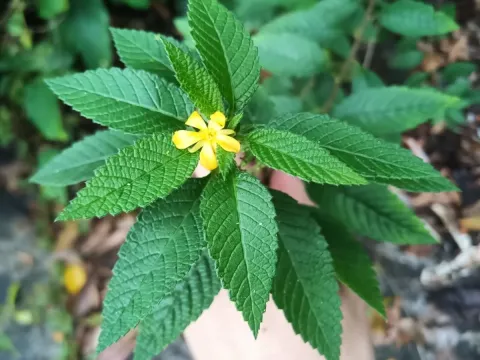
Turnera odorata
Turnera odorata
Turnera odorata is a perennial shrub belonging to the Passifloraceae family. Native to the tropical regions of South America, this plant is well-adapted to warm, humid environments with consistent light availability.
What the section contains
Turnera odorata
Optimal growth requires well-drained, fertile soil, typically with a sandy or loamy texture. Proper drainage is crucial, as the plant is highly susceptible to root rot in waterlogged conditions.
The climate requirements include high temperatures throughout the year. The species cannot survive frost, meaning it must be grown in greenhouses or tropical regions where ambient temperatures remain above 15 degrees Celsius.
Sufficient light is essential for the synthesis of volatile compounds within the plant. While it thrives in bright sun, shade may be beneficial during the peak of the day in extremely hot climates to protect the foliage.
Agronomic practices focus on maintaining soil fertility through regular organic amendments. This ensures the plant has sufficient nutrients for the rapid production of leaves and stems during the growing season.
The yield of Turnera odorata depends heavily on plant density and the age of the crop. Mature shrubs that have been properly pruned tend to produce a higher biomass compared to young plants.
Harvesting is focused on gathering the foliage, which is utilized for its aromatic properties. Strategic pruning cycles are used to stimulate branching and maximize the total leaf surface area.
With balanced fertilizer application, the plant maintains consistent growth rates throughout the season, allowing for multiple harvests without compromising the plant's health.
Yield management requires careful monitoring of the moisture levels, as water stress can lead to premature leaf drop and a decrease in the concentration of essential oils in the tissues.
Techniques such as drip irrigation are recommended to stabilize yields, ensuring that plants receive water precisely when needed without saturating the root zone.
The primary threats to Turnera odorata involve fungal infections triggered by high humidity and poor ventilation. Root diseases are particularly devastating and difficult to treat once established.
Common pests include spider mites and whiteflies, which thrive in controlled environments and can quickly infest a crop if humidity and airflow are not properly managed.
Preventive measures are the cornerstone of crop protection. This includes spacing plants adequately to ensure good airflow and regular inspections to catch the early signs of infestation.
Biological control methods are preferred when dealing with pests to maintain the quality of the foliage, especially if the plants are being cultivated for commercial herbal purposes.
Managing the surrounding environment, particularly cleaning up fallen leaves and maintaining hygiene in the field, helps minimize the accumulation of spores and pest populations.