
Paropsia
Paropsia
Paropsia is a genus of evergreen woody plants or shrubs belonging to the Passifloraceae family. These plants are evolutionarily adapted to the conditions of tropical rainforests, where consistently high temperatures and the absence of significant seasonal climate variations are critical growth factors.
What the section contains
Paropsia
In their natural habitat, representatives of the genus prefer well-drained, fertile soils rich in organic matter. The crop is highly demanding regarding substrate moisture levels; however, waterlogging in the root zone can lead to fungal infections, requiring the installation of high-quality drainage systems in cultivation environments.
Optimal development requires the diffused lighting typical of the understory or middle layer of a tropical forest. Direct sunlight can cause leaf burn, which is why, under greenhouse conditions, it is recommended to use shading nets or specialized grow lights with an appropriate spectral range.
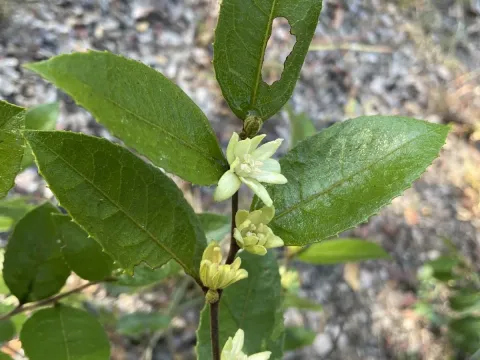
Botanically, Paropsia is characterized by simple, alternate leaves with entire or finely serrated margins. The flowers of this genus often possess a specific structure typical of Passifloraceae, ensuring the attraction of a narrow circle of specialized insect pollinators native to African and Asian tropical regions.
The economic value of Paropsia is currently limited primarily to local use within its native regions. The fruits of some species are edible, and the wood may find limited application in small-scale craft, although comprehensive agro-technologies for industrial cultivation of this crop are still in the early stages of development.
The main threats to Paropsia plants are associated with root rot, which typically emerges when irrigation protocols are not followed. Excessive soil moisture combined with poor air circulation in greenhouses creates ideal conditions for the proliferation of pathogenic fungi.
Among pests, spider mites and scale insects represent the most significant danger to Paropsia, as they parasitize the undersides of the leaves. Their feeding activities lead to weakened plant vigor, shoot deformation, and reduced overall immunity to secondary infections.
Disease prevention includes regular monitoring of leaf health and maintaining optimal air humidity. If pests are detected, the use of biological insecticides is recommended to prevent the accumulation of chemical residues within the plant tissues.
In open-field conditions, the risk of viral infection transmitted by insect vectors is significantly higher. Rigorous control of weed species that act as disease reservoirs near the planting sites is essential to minimize the risk of large-scale disease outbreaks.
Nutrient management issues, particularly micronutrient deficiencies, can also mimic the symptoms of viral diseases. Balanced application of complex fertilizers with a focus on nitrogen during the active growing season is key to ensuring the crop's resilience against adverse biological factors.