
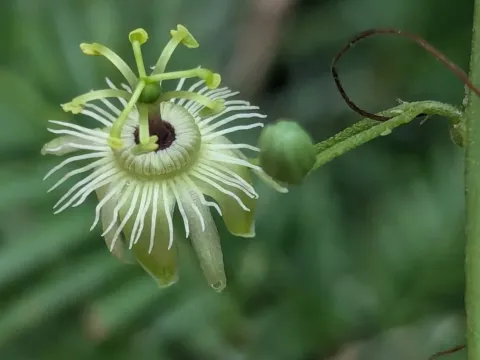
Nepal passion flower
Passiflora napalensis
Passiflora napalensis belongs to the Passifloraceae family. It is a vigorous, woody climbing vine native to mountainous tropical regions, known for its distinct botanical structure.
What the section contains
Nepal passion flower
Seed propagation is best performed in late winter or early spring. Given the hard seed coat, scarification followed by a 24-hour soak in warm water is necessary to improve germination rates.
Maintain a stable environment for seedlings with temperatures between 22 and 25 degrees Celsius. Use a lightweight, sterile potting mix to prevent damping-off diseases during the initial growth phase.
Cuttings are an alternative propagation method for maintaining genetic uniformity. Select healthy semi-hardwood stems, apply rooting hormone, and place them in high-humidity conditions to encourage root development.
Transplanting into the field or permanent containers should occur only after all risks of frost have passed, as this species is highly susceptible to thermal stress.
The plant thrives in bright, filtered light. While it requires significant energy for growth, direct high-intensity midday sunlight can scorch the foliage and should be mitigated with shade netting.
Soil requirements involve a well-draining, nutrient-rich substrate. A mix of peat, compost, and coarse sand or perlite ensures the roots remain oxygenated and prevents moisture retention issues.
Watering must be frequent during the growing season. However, it is critical to ensure that the potting medium is not permanently waterlogged, which could lead to root rot complications.
Apply balanced NPK fertilizers every two weeks during the active growth period. Micronutrient deficiencies, particularly iron or magnesium, should be managed through foliar sprays if yellowing occurs.
Provide sturdy trellis support for the vines. Since Passiflora napalensis uses tendrils to anchor itself, the structure should be tall enough to accommodate its climbing habit and lateral branch development.
Common pests include spider mites and mealybugs, which proliferate quickly in indoor or greenhouse settings. Regular inspection of leaf axils is crucial for early detection of these populations.
Root rot caused by Phytophthora or Pythium species is a significant threat in poorly drained soils. Maintaining proper ventilation around the base of the plant helps reduce fungal growth.
Powdery mildew often appears on foliage during periods of high humidity and poor air circulation. Treatment involves thinning out the canopy and applying professional-grade fungicides.
Aphids can cause deformation of young shoots and buds. Implementing Integrated Pest Management (IPM) practices, such as using beneficial insects, helps keep pest numbers below economic thresholds.
Biosecurity measures, such as sanitizing tools between plants and isolating new specimens, are essential to prevent the spread of viral or bacterial pathogens across the crop.
The agricultural use of Passiflora napalensis includes both ornamental landscaping and the collection of botanical extracts for specialized pharmaceutical applications due to its secondary metabolites.
Fruit harvesting should take place when the skin color transitions to a mature state. Carefully harvest individual fruits to avoid damaging the vine or causing premature stress to the plant.
Yield is highly dependent on the quality of the light environment and the availability of essential nutrients. Proper pruning in the dormant season is vital for structural health and future production.
Post-harvest handling requires gentle handling of the produce. Store fruits in cool, ventilated conditions to maintain quality and extend their shelf life before processing or distribution.
After the growth cycle, remove all dead or diseased plant material from the structure to reduce the overwintering capacity of pests and fungal spores in the growing area.