
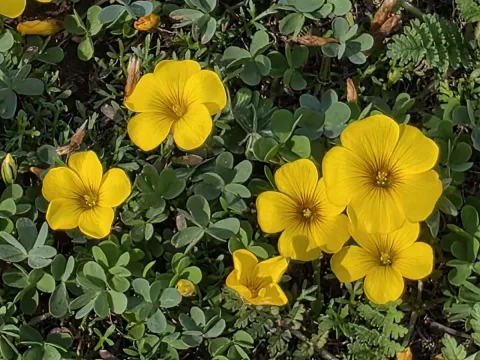
Oxalis mallobolba
Oxalis mallobolba
The planting of Oxalis mallobolba is carried out in the spring when the soil warms up to 10–12°C. In temperate latitudes, the optimal time for planting small bulbs is mid-May, which allows the plants to avoid late spring frosts.
What the section contains
Oxalis mallobolba
In southern regions, earlier planting in the ground is possible, starting from April. It is important to consider that the culture is sensitive to sharp temperature fluctuations during the initial stage of vegetation, so there is no need to rush the planting.
The planting scheme is chosen depending on the soil type and cultivation goals, usually maintaining a distance of 20–25 cm between rows. The planting depth for the bulbs is about 5–8 cm, which ensures protection from drying out of the topsoil.
When using the seedling method, planting begins in greenhouses 30–40 days before the planned transfer to open ground. This accelerates the process of forming the underground part of the plant and allows for an earlier harvest.
For high-quality development, it is necessary to ensure stable soil moisture immediately after planting. Dense planting is unacceptable, as it leads to a reduction in bulb size and complicates site maintenance.
Oxalis mallobolba prefers well-lit areas, as it is a light-loving plant. Under shading conditions, the development of the aerial part occurs intensively, but the accumulation of biomass in the edible underground organs slows down significantly.
The culture has moderate soil requirements and develops best on light, well-drained sandy loam or loamy substrates. Excessive soil compaction hinders normal bulb growth and can lead to their deformation.
The optimal soil acidity level for this species is in the slightly acidic to neutral range (pH 6.0–7.0). Excessively alkaline soils require preliminary liming to create comfortable growth conditions.
The plant has moderate drought resistance, but for a high commercial yield, regular watering is required during periods of active growth and bulb formation. Stagnant water in the root zone is unacceptable, as it provokes rotting processes.
As organic fertilizers, it is best to use well-rotted compost, which is applied during autumn soil preparation. Mineral fertilizers with a primary content of potassium and phosphorus are applied during the growing season to improve crop quality.
The yield of Oxalis mallobolba depends directly on adherence to agrotechnical practices and ensuring the plants have enough sunlight. Under favorable conditions, the crop is capable of forming a significant mass of underground bulbs.
Average productivity indicators can vary depending on soil fertility and the cultivation climate zone. Competent application of fertilizers allows for increasing the mass of the commercial bulb fraction within one season.
Maximum product output is achieved through timely hilling of the plants, which stimulates the growth of additional underground shoots and the formation of new bulbs. Hilling also protects the underground part from greening upon contact with the sun.
An important factor is regular weeding, as Oxalis mallobolba does not tolerate competition from weeds. The presence of weeds not only reduces nutrition but also creates conditions for the spread of pests.
The final harvest takes place at the end of the season after the natural death of the aerial part of the plant. Proper storage of the harvested bulbs in a dry and cool place ensures the preservation of commercial quality until the next season.
The main threat to Oxalis plantings is fungal diseases that develop against a background of waterlogged soil. Among them, root rot is the most common, affecting bulbs during periods of prolonged rainfall.
To prevent the spread of pathogens, it is recommended to follow crop rotation and not return the crop to the same place for at least 3–4 years. It is also important to use healthy planting material, checked for the absence of hidden infections.
Among pests, the greatest damage is caused by soil insects, such as wireworms and white grubs. They damage the underground parts, making the bulbs unsuitable for storage and sale.
In dry, hot weather, spider mites may appear, which suck juices from the leaves, thereby weakening the entire plant. Control is carried out using preventive spraying with biological products.
To protect against slugs and snails during wet weather, mulching the soil with fine-grained materials is recommended. Also, creating barrier zones around the perimeter of the planting area is an effective method.
Harvesting is carried out in the autumn after the foliage begins to naturally yellow and wither. This process usually falls in the period before the arrival of the first steady frosts to avoid damage to the bulbs by cold.
Digging is recommended to be done in dry weather using a garden fork, which minimizes mechanical damage to the bulbs. Damaged specimens should be discarded immediately, as they are prone to rapid spoilage during storage.
After harvesting, the bulbs must be cleaned of soil residues and dried in a well-ventilated place protected from direct sunlight. Intense sun can cause burns to the bulb skin.
For long-term storage, the crop is placed in wooden crates or mesh bags, ensuring free air access. The optimal storage temperature should be +2...+5°C with moderate humidity.
A portion of the harvest can be set aside for seed purposes or planting the following year. It is important to store planting material separately from food crops, ensuring it has optimal conditions for maintaining the viability of growth buds.