
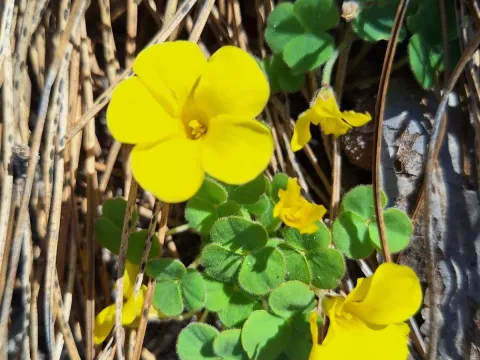
Oxalis luteola
Oxalis luteola
Oxalis luteola is a perennial herbaceous plant belonging to the Oxalidaceae family. Native primarily to the diverse landscapes of Southern Africa, this species is highly valued in horticulture for its distinct foliage and delicate floral displays.
What the section contains
Oxalis luteola
The botanical structure of this plant features small bulbs that store energy, allowing the plant to remain dormant during unfavorable conditions. Its characteristic trifoliate leaves and unique yellow flowers contribute to its ornamental appeal in gardens.
Cultivation success relies on providing well-draining soil, which is crucial for preventing root rot. A sandy or gritty loam is ideal for mimicking its natural habitat, ensuring that moisture does not accumulate around the underground structures.
Regarding climate, the plant thrives in areas with high light intensity, although partial shade is beneficial in extremely hot regions. It prefers moderate temperatures and is generally sensitive to prolonged freezing conditions, necessitating protection in colder zones.
A standard agricultural practice for this species involves periodic thinning to prevent overcrowding. Proper aeration is essential to maintain plant health and prevent the development of physiological disorders related to poor air circulation.
The primary pathological threats to Oxalis luteola include fungal infections like root rot and Botrytis, particularly in damp or humid environments. These pathogens can rapidly destroy the bulbous system if left untreated.
Insect pests are another major concern, with spider mites being the most prominent, especially in dry and poorly ventilated indoor or garden settings. They often colonize the underside of leaves, leading to chlorosis and stunted growth.
Effective management strategies include implementing a strict irrigation schedule and ensuring the planting medium is sterile before use. Improving drainage is the most effective preventative measure against most soil-borne diseases.
When chemical intervention is necessary, targeted application of specific fungicides or acaricides is recommended. It is important to avoid over-application, as the plant can be sensitive to heavy chemical concentrations.
Monitoring the growth patterns regularly allows for the early detection of infestations. Removing severely affected plants quickly helps prevent the further spread of pests or pathogens throughout the entire planting bed.