
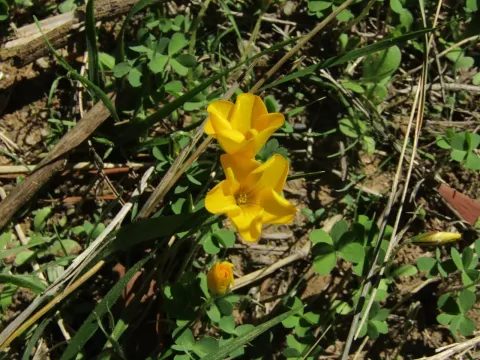
Oxalis lobata
Oxalis lobata
Oxalis lobata is a low-growing perennial herb belonging to the Oxalidaceae family. The plant is characterized by a unique growth cycle, featuring active vegetation periods during spring and autumn, followed by a mandatory dormancy phase during hot summer months.
What the section contains
Oxalis lobata
Native to the mountainous regions of Chile and Argentina, this species has evolved to tolerate significant temperature fluctuations. However, its survival in a managed environment depends heavily on mimicking its natural dry-and-cool climate preferences.
For successful cultivation, well-drained, slightly acidic or neutral soils are essential. Standing water is extremely detrimental to the bulbs, making high-quality drainage systems, such as incorporating coarse sand or gravel into the soil, a priority for any grower.
The plant thrives in sunny to partially shaded locations, though it requires protection from harsh, direct midday sun in warmer climates. An ambient temperature range of 15–20 degrees Celsius is ideal for supporting consistent growth.
Agronomic management must strictly account for the summer dormant period. Irrigation must be entirely suspended during this time to replicate natural drought conditions, which is crucial for preventing root rot and ensuring the long-term vitality of the bulbous system.
Planting the bulbs of Oxalis lobata is best scheduled for late winter or early spring as the first growth cycle initiates. Bulbs should be planted at a depth of 3 to 5 centimeters, depending on the soil density and texture.
When growing in containers, it is recommended to use a porous, loose substrate mixed with perlite or pumice. Ensuring a spacing of at least 10–15 centimeters between plants is important for maintaining airflow and preventing foliage disease.
Propagation is primarily achieved through the division of bulb clusters during the dormant summer period. This practice allows for the effective multiplication of the crop and prevents the overcrowding of the root systems over time.
Before planting, a thorough inspection of the bulbs is necessary to ensure they are healthy, firm, and free of any fungal indicators or physical damage. Utilizing only high-quality, disease-free planting material is a prerequisite for a healthy stand.
After initial planting, light irrigation is sufficient until signs of sprouting appear. Once active growth is observed, watering should be gradually increased to maintain consistent soil moisture throughout the peak vegetation period.
Common pests affecting Oxalis lobata include spider mites and aphids, which are particularly prevalent in greenhouse settings or indoor cultivation where air humidity is low and airflow is stagnant.
In outdoor garden environments, the plant is susceptible to slug and snail damage, especially in early spring when the tender young foliage is most vulnerable. Barrier methods or organic pest controls are often necessary.
Fungal diseases, specifically gray mold and root rot, represent the most serious threats to the crop. These are almost exclusively linked to improper irrigation practices, such as overwatering or failing to provide adequate drainage.
Integrated pest management, including regular monitoring and the use of environmentally friendly insecticides, is recommended. Early detection is vital for preserving the integrity of the bulbous rootstock.
Disease prevention is centered on meticulous water management and soil aeration. If rot is detected, infected plants should be removed immediately, and the remaining area should be treated or allowed to dry out completely to prevent further spread.