
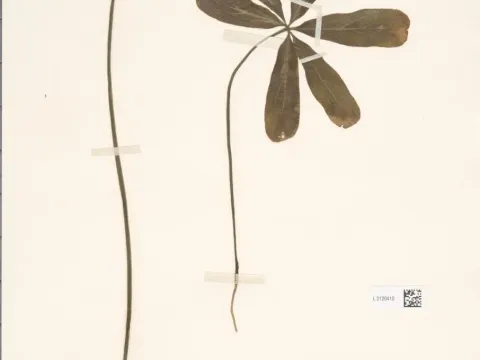
Oxalis lasiandra
Oxalis lasiandra
Oxalis lasiandra is typically propagated by bulb division, which should be performed during the plant's dormancy period. The bulbs are planted in spring once the danger of severe frost has completely passed.
What the section contains
Oxalis lasiandra
When planting in containers, ensure the pot has adequate drainage holes. Use a well-draining potting mix, preferably consisting of peat, perlite, and organic compost to ensure proper aeration for the root system.
The bulbs should be planted at a depth of approximately 3 to 5 centimeters. Planting too shallow may lead to drying out, while planting too deep can delay the emergence of the stems and leaves.
Spacing is essential for healthy development, with a distance of 10 to 15 centimeters between bulbs recommended for group plantings. This provides enough space for each plant to form its characteristic rosette.
Once planted, water the soil lightly to settle the bulbs. Keep the growing medium slightly moist, but avoid waterlogging until the first shoots break the surface of the soil, signalling active growth.
This species thrives in bright, indirect light. While it can handle some morning sun, intense midday heat may cause the leaflets to curl or wilt, indicating the need for partial shade.
The soil should be fertile and light, with a pH level ranging from neutral to slightly acidic. Heavy, clay-based soils are unsuitable because they retain too much water and hinder root respiration.
Regular watering is necessary during the active growing season, allowing the top centimeter of the soil to dry out before watering again. During the dormancy phase, reduce water significantly to prevent rot.
The ideal temperature range for Oxalis lasiandra is between 18 and 25 degrees Celsius. In summer, ensure there is good air circulation around the plants to reduce the risk of heat stress.
Fertilization with a balanced, water-soluble liquid fertilizer should occur every three weeks during the peak growing season. Avoid high-nitrogen formulas, which can produce weak, floppy leaves instead of flowers.
The primary biological threat is fungal rot caused by overwatering. If the soil remains saturated for long periods, the delicate bulbs will begin to soften and decay, often irreversibly.
Spider mites are common indoor pests that flourish in low-humidity environments. Regularly misting the foliage or increasing the local humidity can help deter these pests effectively.
Aphids might congregate on the undersides of leaves or near the buds. Manual removal or the application of insecticidal soap is usually sufficient to manage small infestations of these insects.
Mealybugs can also infest the plant, hiding in the junctions between leaves and stalks. Their presence is usually indicated by a white, cottony residue that requires immediate cleaning with rubbing alcohol.
To ensure long-term health, always remove yellowed or dead leaves promptly to prevent them from becoming breeding grounds for mold or pests. Good hygiene is the best defense against common threats.