
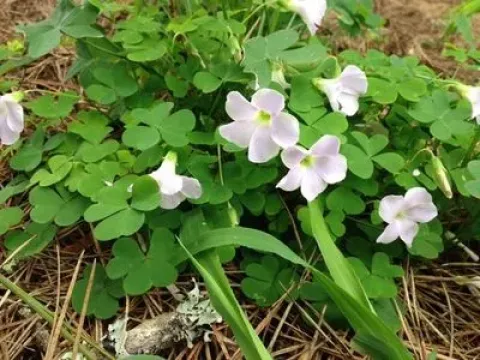
Oxalis incarnata
Oxalis incarnata
Oxalis incarnata is a member of the Oxalidaceae family and is commonly propagated vegetatively using bulbs that develop in the root zone of the mother plant.
What the section contains
Oxalis incarnata
The optimal planting time is early spring, once the threat of frost has passed and the soil temperature reaches a steady 12-15 degrees Celsius.
Bulbs should be planted at a depth of 3-5 centimeters, maintaining a spacing of 10-15 centimeters between individual plants to ensure proper aeration and light exposure.
For more rapid growth, gardeners often pre-sprout bulbs indoors in containers before transplanting them into the outdoor garden setting.
The chosen site must offer well-drained soil, mimicking the species' natural habitat requirements to promote healthy development and vigor.
The crop thrives in light, sandy-loam soils with slightly acidic to neutral pH levels, which must provide excellent drainage to prevent bulb rot.
Light requirements are moderate: the plant prefers bright, filtered sunlight but can withstand periods of partial shade to maintain healthy leaf turgor during peak heat.
Water management is crucial, as the plant requires consistent moisture during the growing season while being highly sensitive to waterlogged conditions.
Soil fertility can be managed with moderate amounts of organic matter, such as well-rotted compost, applied during the initial soil preparation phase.
In regions with harsh winters, Oxalis incarnata bulbs should be lifted from the soil and stored in a cool, dry place, as the species is sensitive to deep soil freezing.
The primary agricultural threat involves fungal pathogens like grey mold, which typically proliferate in overly humid conditions with poor air circulation.
Root rot remains a frequent concern, triggered primarily by soil saturation, which weakens the bulb and reduces the overall survival rate of the crop.
Pests, particularly spider mites, are problematic during periods of low humidity and high temperatures, requiring vigilant scouting and management.
Aphids may also infest the tender shoots, potentially affecting both the growth rate and the aesthetic quality of the foliage if left uncontrolled.
Integrated pest management strategies, including the use of systemic insecticides or biological controls, are recommended to maintain plant health throughout the season.