
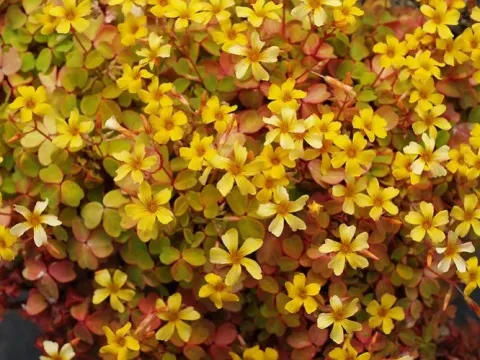
Oxalis hybrids
Oxalis hybrids
Planting Oxalis hybrids is typically performed in the spring once the danger of frost has passed. The soil temperature should be at least 15 degrees Celsius to encourage rapid sprouting and root establishment.
What the section contains
Oxalis hybrids
For container gardening, planting can be initiated indoors during late winter. Using a well-draining soil mix is critical to prevent the bulbs from rotting before they establish their root systems.
When sowing seeds, they should be scattered lightly on the soil surface. Because they are light-dependent for germination, they must not be buried deeply; a thin covering of vermiculite or light soil is sufficient.
Spacing requirements vary depending on the variety, but generally, a distance of 10-20 centimeters between plants allows for optimal foliage development and air circulation, which reduces humidity-related problems.
After the initial planting, it is recommended to keep the substrate moderately moist but never saturated. Once growth is visible, gradually increase watering frequency to match the plant's active growth stage.
Oxalis hybrids belong to the Oxalidaceae family and are popular as both indoor and outdoor ornamental plants. They thrive in bright, indirect light, which promotes vibrant leaf color and consistent blooming throughout the season.
Soil quality is paramount for this species. It requires a loose, porous, and nutrient-rich medium with a neutral to slightly acidic pH. Incorporating perlite or coarse sand is recommended to ensure excellent drainage.
Temperature management plays a vital role in their development. During the active growth period, they prefer temperatures between 20 and 25 degrees Celsius. During dormancy, a cooler environment is essential to prepare the plant for the next cycle.
Watering should be consistent, allowing the top centimeter of soil to dry out between applications. Overwatering is the most common mistake made by beginners, often leading to bulb rot and fungal infections.
Regular fertilization with a balanced, water-soluble fertilizer helps maintain plant vigor. However, it is advisable to reduce feeding during the autumn and winter months to allow the plant to enter its natural dormancy period.
Spider mites are the most persistent pest for Oxalis hybrids, especially in dry, indoor environments. These microscopic pests feed on cell sap, causing the leaves to develop a mottled appearance and eventually wither.
Aphids can also infest young, tender shoots. Their presence can be identified by the curling of leaves and the secretion of honeydew, which may attract secondary fungal growth like sooty mold.
Grey mold (Botrytis) is a significant threat in high-humidity conditions. It typically presents as fuzzy, grey patches on leaves or stems, requiring immediate sanitation and increased ventilation to stop its spread.
Root rot, caused by overwatering or poorly draining soil, is a critical issue that can kill the plant quickly. If the soil remains soggy for too long, the root system loses its ability to absorb nutrients, leading to total collapse.
To maintain a healthy collection, it is essential to monitor plants closely for pests and pathogens. Isolating affected plants and applying appropriate fungicides or acaricides promptly can save the entire planting from loss.