
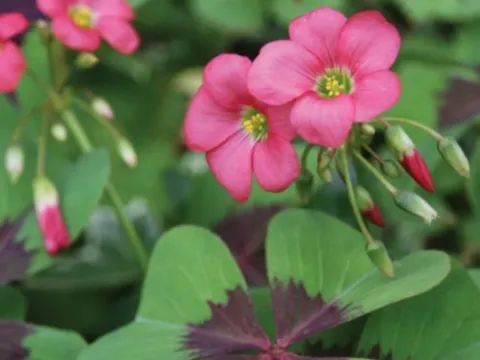
Oxalis dombeii
Oxalis dombeii
Planting of Oxalis dombeii typically occurs in the spring once soil temperatures reach at least 10–12 degrees Celsius. The ideal window for outdoor planting is May to avoid the risk of late spring frosts that can damage young shoots.
What the section contains
Oxalis dombeii
For earlier flowering, it is common to start the corms indoors in late March or April. If utilizing a greenhouse or container cultivation method, planting can take place year-round provided sufficient light levels are maintained.
Corms should be planted at a depth of 3 to 5 centimeters depending on the soil texture. It is crucial to maintain a spacing of 15–20 centimeters between plants to ensure proper aeration and prevent moisture buildup.
The plant adapts well to various sowing conditions if proper temperature control is observed. In climates with severe winters, autumn planting is risky unless the soil is heavily mulched and protected from freezing temperatures.
Consistent soil moisture is essential for the first three weeks after planting to ensure successful rooting. Once established, the frequency of watering can be adjusted based on local weather conditions.
Oxalis dombeii is a member of the Oxalidaceae family and is recognized for its unique clover-like foliage. It thrives in locations with bright, indirect sunlight, though it can tolerate partial shade during the hottest parts of the day.
The species requires loose, well-draining soil with a slightly acidic to neutral pH. Heavy clay soils should be amended with sand or organic matter to improve permeability and prevent waterlogging around the roots.
The optimal temperature range for development is between 18 and 25 degrees Celsius. Extreme heat may cause the plant to enter a premature dormancy phase, necessitating reduced watering and occasional light shading.
Irrigation should be regular but careful; the soil should never remain waterlogged, as this is the primary cause of root rot in Oxalis species. Allowing the top layer of soil to dry out between waterings is recommended.
Nutrient requirements are moderate, and a balanced, low-nitrogen liquid fertilizer applied every two weeks during the active growing season will support both foliage development and the production of healthy corms.
The primary pests affecting Oxalis dombeii are aphids and spider mites, particularly in environments with low humidity. Regular inspection of the undersides of leaves is necessary to detect and treat infestations early with mild insecticides.
Fungal diseases such as powdery mildew and gray mold can occur if the plant is grown in overly damp or poorly ventilated conditions. Removal of infected foliage and improvement of air circulation are the first lines of defense.
Prevention involves strict adherence to watering schedules and avoiding wetting the foliage. Proper spacing and the use of sterile potting soil significantly reduce the risk of soil-borne pathogens and root infections.
Root rot is often the result of improper drainage or overwatering. If symptoms appear, plants should be carefully inspected, and the drainage system of the pot or garden bed must be corrected immediately.
Nematodes can cause significant damage in some regions. If an infestation is confirmed, affected plants should be carefully dug up and destroyed to prevent the spread of the pest to adjacent healthy specimens.
Harvesting of the corms is typically performed at the end of the growing cycle when the foliage begins to turn yellow and naturally dries off. This period indicates that the plant has entered dormancy.
Once the leaves have withered, the corms should be carefully unearthed, cleaned of any remaining soil, and allowed to dry in a cool, shaded, and well-ventilated location to prevent mold and decay.
Stored corms should be kept in a dry, cool place with temperatures between 5 and 10 degrees Celsius. Placing them in breathable paper bags or shallow containers filled with dry peat moss is standard practice.
For those growing the plant purely for ornamental purposes, the harvest process involves cleaning up spent flower stalks and withered leaves at the end of the season to improve the garden's appearance.
It is vital to complete all harvesting and relocation of corms before the first hard frost occurs in late autumn, as the freezing of the soil will compromise the viability and winter survival of the storage organs.