
Oxalis depressa
Oxalis depressa
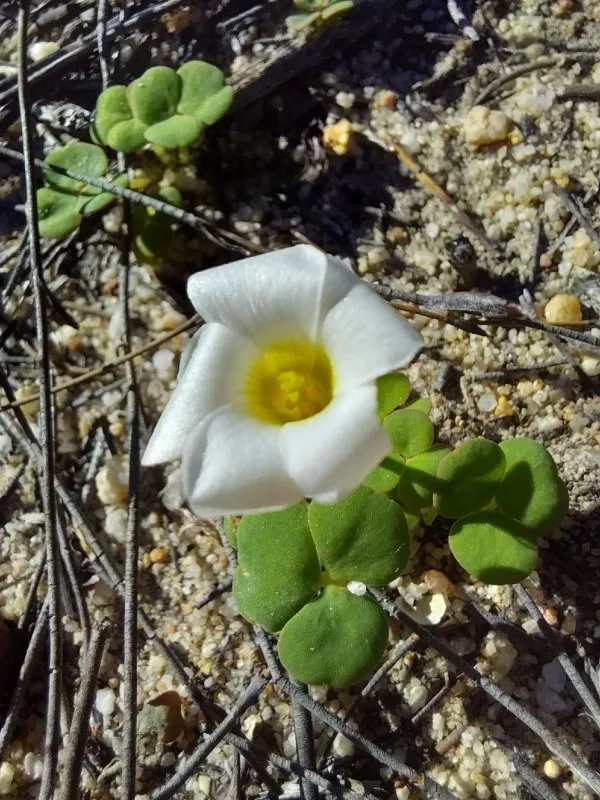
Description
Growing requirements
Oxalis depressa is a low-growing perennial herb belonging to the Oxalidaceae family. Native to the mountainous regions of South Africa, it is widely valued in ornamental horticulture for its compact, tufted habit and vibrant flowers.
Successful cultivation requires high light levels, though in intense heat, partial shade during the afternoon is beneficial to prevent foliage scorch. It performs best when planted in sites with excellent drainage, such as rock gardens or well-amended containers.
The substrate must be porous, typically a mix of sandy loam and grit. Maintaining a soil pH that is slightly acidic to neutral supports optimal nutrient uptake for this species, preventing chlorosis and promoting vigorous flowering.
Climate requirements include protection from frost and excessive moisture. During the dormant period, the soil should be kept nearly dry to prevent the small bulbs from rotting, as this species is susceptible to moisture stress.
Agrotechnical management involves careful water control, ensuring the substrate dries out between watering intervals. Feeding should be restricted to the active growing season, utilizing balanced, slow-release fertilizers at half strength to maintain plant vigor.
Main diseases and pests
The primary threats include fungal diseases such as gray mold (Botrytis) and various types of root rot, which are often exacerbated by poor ventilation and overwatering. Improving air circulation around the crown of the plant is the most effective preventative measure.
Pest issues often involve spider mites and mealybugs, especially in greenhouse conditions or during periods of low humidity. Integrated pest management, including the use of targeted systemic insecticides or horticultural soaps, is recommended when populations appear.