
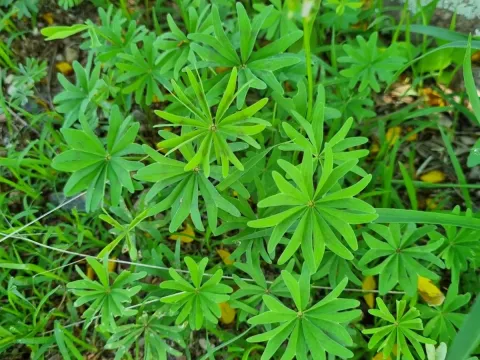
Oxalis decaphylla
Oxalis decaphylla
Oxalis decaphylla, commonly known as ten-leaved wood sorrel, is a perennial bulbous plant belonging to the Oxalidaceae family. Native to the mountainous regions of Mexico, this species has evolved to thrive in environments with distinct wet and dry growth cycles.
What the section contains
Oxalis decaphylla
The plant is botanically unique due to its leaves, which are arranged in a whorl of ten to eleven leaflets at the end of each long petiole. This distinctive umbrella-like appearance makes it a popular choice for specialized collections and ornamental gardening projects.
This species requires well-draining, slightly acidic to neutral soil to prevent bulb rot. It is essential to ensure that the potting medium or garden soil remains aerated, as compaction or excessive water retention can be fatal to the delicate root system of the plant.
Regarding climate, it prefers cool to moderate temperatures with bright, indirect sunlight. It is not cold-hardy in harsh winter climates, necessitating the lifting of bulbs if grown outdoors in zones where ground freezing occurs during the winter months.
Agricultural management requires careful attention to the irrigation schedule. The plant enters a dormant phase where foliage dies back completely; during this time, watering must be halted to allow the bulbs to rest and regain energy for the next growing season.
Fungal infections, primarily root and bulb rot (such as Rhizoctonia or Fusarium), represent the most significant threat to Oxalis decaphylla. These pathogens are most active in waterlogged, stagnant conditions, making drainage the primary preventative measure.
Insect pests such as spider mites and aphids are frequently found on the foliage. These pests can rapidly proliferate in dry, indoor environments, requiring immediate intervention with systemic insecticides or natural soaps to prevent significant damage to the leaf structure.