
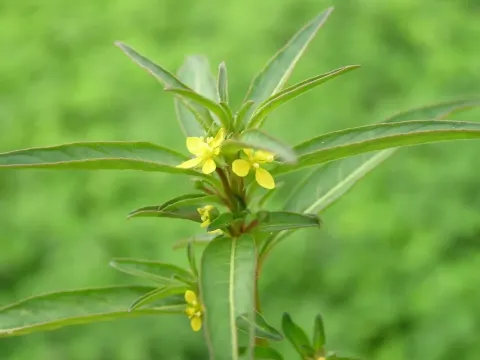
Ludwigia prostrata
Ludwigia prostrata
Ludwigia prostrata is a herbaceous plant belonging to the Onagraceae family. As a typical hydrophyte, it thrives in environments characterized by persistent soil moisture, such as riverbanks, wetlands, and flooded agricultural areas.
What the section contains
Ludwigia prostrata
Native to regions of Southeast Asia, this species has successfully adapted to the ecological conditions of rice paddies and irrigation systems. It prefers warm climates where temperatures remain constant, facilitating sustained vegetative growth throughout the season.
The plant has specific requirements for its substrate, favoring nutrient-rich silty soils. Proper light exposure is essential, as the species relies on photosynthesis to produce biomass in environments that are often shaded by competing vegetation.
Water management is the cornerstone of its cultivation. The species requires shallow water levels to ensure the roots remain oxygenated while allowing the aerial parts of the plant to develop effectively above the water surface.
Agronomic practices for this culture involve maintaining optimal spacing to prevent overcrowding. Since the plant spreads through vegetative means, managing the density of the population is necessary to ensure healthy development and sustainability.
Various fungal pathogens pose a significant threat to Ludwigia prostrata, particularly those that thrive in stagnant water conditions. Root rot and leaf spot diseases are among the most common issues that growers might face.
Invertebrate pests, including aquatic snails and larval forms of insects, can consume significant portions of the plant tissue. These pests not only reduce biomass but also create entry points for opportunistic plant pathogens.
Competition from aggressive aquatic weeds often restricts the growth of Ludwigia. Without proper site management, more invasive species can quickly overshadow the crop, leading to stunted development and eventual decline of the plant colony.
Chemical stress, arising from the runoff of fertilizers or pesticides from adjacent fields, can adversely affect the plant's health. The accumulation of salts or heavy metals in the substrate may also inhibit long-term survival.
Effective management strategies include regular visual inspection for early symptoms of disease and maintaining a clean water supply. Sustainable agricultural practices should prioritize biological controls over synthetic chemicals to ensure ecosystem health.