
Ludwigia peruviana
Ludwigia peruviana
Description
Growing requirements
Ludwigia peruviana, a member of the Onagraceae family, is a perennial plant native to Central and South America. It is commonly found in wetlands, swamps, and along the banks of slow-moving streams, thriving in water-saturated environments.
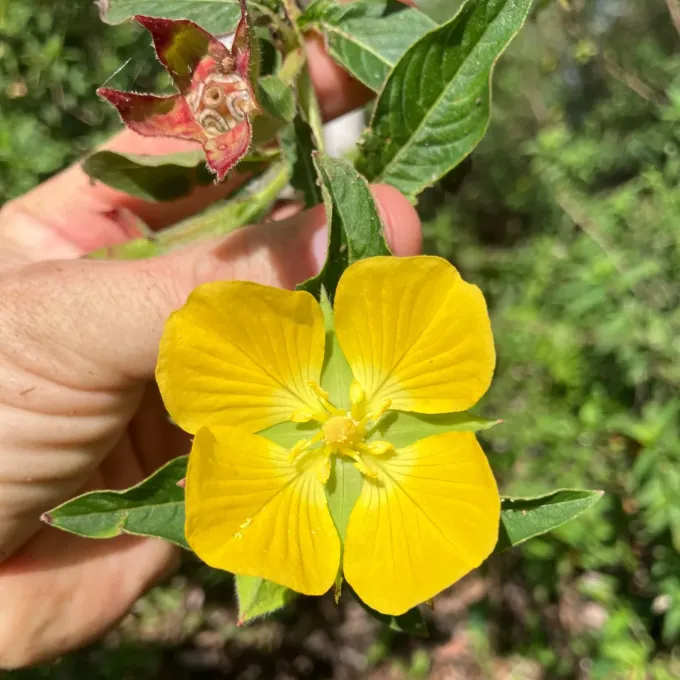
The plant is characterized by its woody stems, which can reach significant heights, and vibrant lance-shaped leaves. In optimal conditions, it produces small, bright yellow flowers that bloom consistently throughout the warmer months of the year.
Successful cultivation requires high levels of humidity, warm temperatures, and abundant sunlight. The plant is highly adaptive to various soil types but exhibits the best growth in rich, acidic to neutral, organic-heavy substrates that remain constantly moist.
In ornamental aquaculture and greenhouse settings, it is valued for its rapid growth rate and aesthetic appeal. It requires significant space to expand and is often used to create dense vertical accents in large water features or paludariums.
Due to its invasive nature in many parts of the world, Ludwigia peruviana is strictly managed. In its non-native range, it is known to outcompete indigenous flora, forming impenetrable mats that significantly disrupt local ecosystems and water flow.
Main diseases and pests
The primary horticultural threats to this species include aphids, whiteflies, and spider mites, which can proliferate rapidly in controlled environments. These pests cause damage by feeding on sap and reducing the photosynthetic surface of the leaves.
Fungal pathogens such as root rot can occur if the substrate remains too stagnant or lacks proper drainage. Providing a steady, slight water current or aeration in aquatic setups can effectively mitigate the risk of pathogen accumulation.
- Regular inspection for aphid infestations on new shoots.
- Use of specialized fertilizers to prevent nutrient deficiencies.
- Careful monitoring of pH levels to ensure optimal uptake.
In outdoor environments, the plant is subject to competition, though its rapid growth often makes it a dominant species. Controlling its spread requires mechanical removal or careful application of herbicides, following local environmental regulations.
Managing the plant requires strict adherence to containment protocols. Preventing the accidental release of seeds or vegetative fragments into natural waterways is the most effective way to prevent its unwanted establishment in local habitats.