
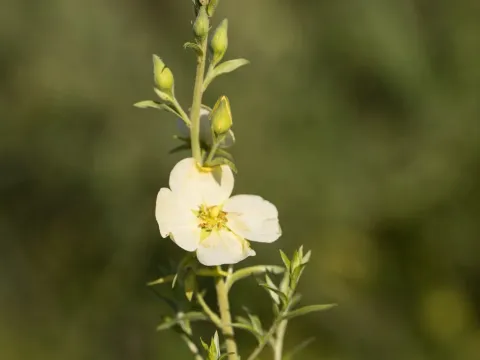
Ludwigia sericea
Ludwigia sericea
Ludwigia sericea is a perennial herbaceous plant belonging to the Onagraceae family, native to the tropical regions of South America. It typically thrives in wetlands, along riverbanks, and in areas with high humidity, making it an excellent candidate for semi-aquatic cultivation.
What the section contains
Ludwigia sericea
Botanically, the plant is recognized by its pubescent (hairy) stems and leaves, which create a distinctive silky appearance. These trichomes are an evolutionary adaptation that helps the plant manage moisture and protect itself from external environmental stresses in its native habitat.
Successful cultivation requires intense lighting conditions. Without adequate light, the plant tends to lose its lower foliage and vibrant coloration. Therefore, high-output artificial lighting or full natural sun exposure is recommended for maintaining healthy and vigorous plant growth.
The ideal substrate should be nutrient-rich and retain moisture effectively. A mixture of peat, loam, and clay-based supplements works best for Ludwigia sericea, as it provides the necessary mineral intake and structural support for the plant's delicate root system.
Temperature management is critical, with an ideal range between 22 and 28 degrees Celsius. Stability is essential, as fluctuations in temperature can lead to shock, stunted growth, and the eventual decay of the stem tissues, significantly reducing the crop's vitality.
Common threats to this species include root rot and fungal infections caused by waterlogged soil and poor air circulation. Implementing proper drainage and monitoring the moisture levels in the substrate are vital practices to prevent the development of harmful pathogens.
Insects like aphids and spider mites can infest the foliage, particularly in greenhouse or paludarium settings. Regular inspection and the use of targeted biological controls or mild organic insecticides are necessary to preserve the plant's health and aesthetic value.