
Ludwigia nervosa
Ludwigia nervosa
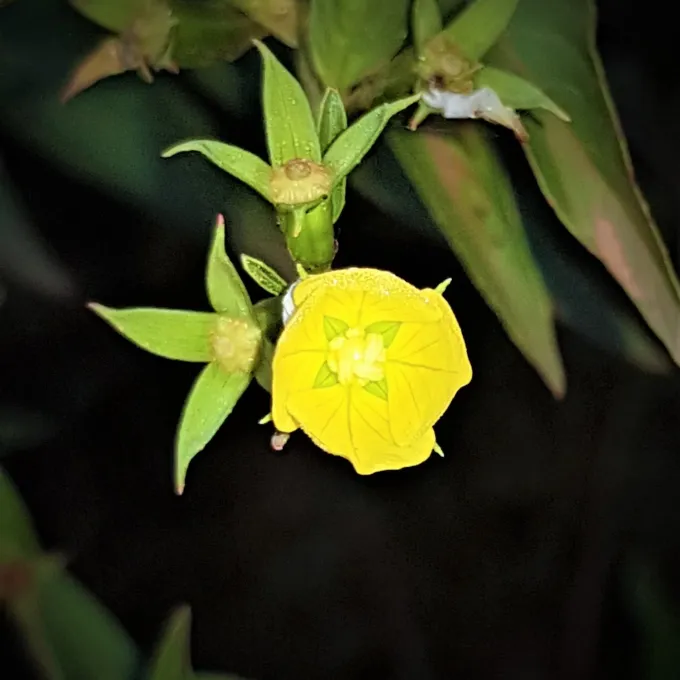
Description
Growing requirements
Ludwigia nervosa is a distinctive aquatic plant belonging to the Onagraceae family, native to South America, particularly Brazil. It is highly valued in the hobby for its intricate leaf structure and striking potential coloration under optimal conditions.
The plant is characterized by its stiff, lanceolate leaves featuring prominent venation, which gives it a unique texture compared to other Ludwigia species. Its growth habit is typically vertical, making it a focal point in aquatic landscapes.
To cultivate Ludwigia nervosa successfully, one must maintain soft to moderately hard water conditions. The temperature should be strictly regulated between 22 and 27 degrees Celsius, as sudden fluctuations can cause leaf shedding and stress the plant.
Strong, high-intensity lighting is an absolute requirement for this species. Without adequate PAR (Photosynthetically Active Radiation), the plant will struggle to maintain its deep red or copper hues, often reverting to a weak green shade and losing its vigor.
A nutrient-rich substrate is essential for proper root development. The use of fertilizers containing iron and other micronutrients is recommended to ensure lush growth, as the plant acts as a heavy root feeder, depleting soil resources rapidly over time.
Main diseases and pests
Algae infestation is the most significant threat to Ludwigia nervosa. Because the plant requires intense lighting, it is prone to being covered by opportunistic algae species if the nutrient-to-light ratio is not perfectly balanced.
Snails and other herbivorous invertebrates can cause mechanical damage to the delicate new growth at the plant's apex. Monitoring and managing the population of these animals is crucial for the health of the stems.
Iron deficiency is the primary physiological disorder observed in this species. Symptoms include chlorosis, where the leaves become pale or yellow, and stunted growth, which can be corrected by targeted fertilization with iron chelates.
Root rot, caused by compacted or anaerobic substrate conditions, can lead to the sudden collapse of the plant. Ensuring adequate water flow around the roots and maintaining a clean substrate layer helps mitigate this risk significantly.
Infection by pathogenic fungi may occur if the plant is subjected to poor water quality over an extended period. Proper hygiene practices, such as routine water changes and the removal of decaying organic matter, are the best defense against such threats.