
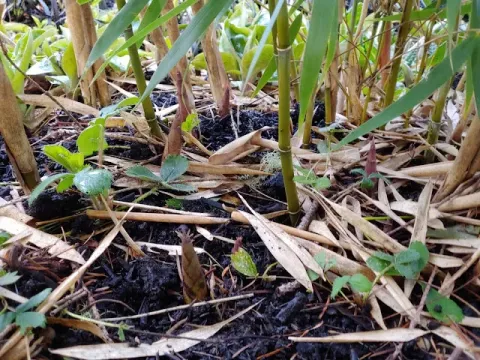
Fargesia robusta
Fargesia robusta
Fargesia robusta is an evergreen perennial plant belonging to the Poaceae family. Known as a clumping bamboo, it is highly valued in gardening because it does not spread via invasive underground runners, forming neat and manageable thickets instead.
What the section contains
Fargesia robusta
The species originates from the mountainous regions of Western China. It is well-adapted to high-altitude forest conditions, where it thrives under the canopy of deciduous and coniferous trees, benefitting from filtered light and high humidity.
The plant requires a sheltered location with partial shade to perform at its best. Direct intense sun exposure, especially in summer, can cause foliage to curl and scorch, so it is essential to position the bamboo where it is protected from midday heat.
Regarding soil requirements, this bamboo prefers rich, moist, and well-draining soils. While it appreciates constant moisture, it is vital to avoid waterlogging, which can prove fatal to the root system, particularly during dormant winter periods.
Maintenance practices involve mulching with organic matter to retain soil moisture and stabilize temperatures. Consistent watering during dry spells is mandatory for young plants, while established clumps require less frequent but deeper irrigation.
Common health issues in Fargesia robusta are largely tied to soil moisture management. Overwatering and poor drainage conditions lead to root rots, which are difficult to reverse once the damage has reached the rhizomes.
Spider mites are the most prevalent pest, particularly in dry and warm environments. They feed on the underside of the leaves, causing discoloration and eventual drop; regular misting can help deter their population growth.
Aphids occasionally infest the young, tender shoots during the spring growth phase. While generally not lethal to mature specimens, they can weaken the plant and promote the growth of sooty mold, necessitating intervention with insecticides.
Fungal leaf spot diseases may appear if the air circulation around the plant is insufficient. Ensuring that the clump is not too dense through occasional thinning of old canes helps to mitigate the risk of pathogen accumulation.
Winter damage is possible if temperatures drop significantly below the plant's hardiness threshold. Protecting the base with a thick layer of mulch and providing a windbreak can prevent excessive desiccation of the evergreen leaves.