
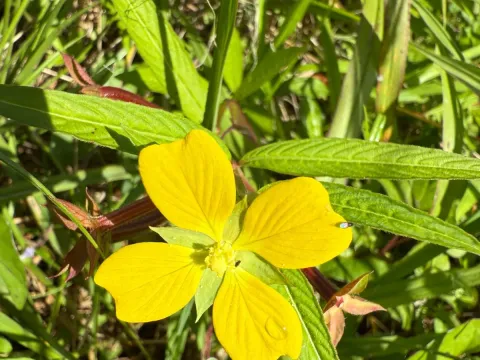
Ludwigia octovalvis
Ludwigia octovalvis
Ludwigia octovalvis, belonging to the Onagraceae family, is a perennial or annual herb that thrives in saturated soils and aquatic environments.
What the section contains
Ludwigia octovalvis
Propagation is primarily achieved through seeds, which germinate best in moist, warm conditions characteristic of tropical wetland habitats.
For agricultural production, seeds should be sown in nutrient-rich, waterlogged substrates to ensure high germination rates and robust seedling development.
Timing the sowing phase to align with warmer seasons is critical, as the plant requires consistent temperatures for optimal growth and root establishment.
In colder regions, starting plants in controlled greenhouse environments before transplanting into outdoor water beds is a recommended practice to extend the growing season.
The plant demands high moisture levels and performs best when planted along the edges of ponds, streams, or in fields with controlled irrigation.
Abundant sunlight is essential for photosynthesis; however, the species shows remarkable adaptability to various light intensities depending on its geographical origin.
Soil requirements include high organic matter content and a pH ranging from slightly acidic to neutral to facilitate proper nutrient uptake from the water.
Temperature is a key factor, with an ideal range of 22–30°C; exposure to frost or temperatures below 15°C will severely inhibit plant metabolism and growth.
Adequate water circulation is necessary to prevent the buildup of anaerobic conditions, which could negatively impact root health and overall plant vigor.
The yield of Ludwigia octovalvis is measured by the total amount of biomass harvested, which is valued for its medicinal properties and chemical compounds.
High yields are achievable through intensive management, including regular organic fertilization and monitoring of water nutrient levels to boost vegetative growth.
Harvesting frequency can be optimized by employing multiple cutting cycles per season, allowing for continuous regrowth if root systems remain intact.
Efficiency depends on timely harvesting before the plant shifts its energy entirely toward seed production, which may dilute the active compounds in the stems.
Post-harvest processing, including controlled drying and extraction, is vital to ensure the quality and economic value of the final botanical product.
The crop is susceptible to leaf-eating insects and larvae that can rapidly defoliate plants, particularly in warm and humid cultivation environments.
Fungal pathogens such as powdery mildew or various leaf spots can thrive if air circulation is poor and humidity levels remain consistently high.
Root rots are common in stagnant water conditions, often exacerbated by the presence of decaying plant matter that depletes oxygen levels in the substrate.
Integrated Pest Management (IPM) strategies, focusing on biological controls and environmental management, are preferred to maintain the integrity of medicinal plant material.
- Monitor for signs of pest infestation weekly.
- Maintain water quality to prevent pathogen buildup.
- Remove infected plants immediately to prevent disease spread.
Harvesting is typically done by hand, using sharp tools to cut stems at the base, which promotes regrowth and ensures a clean cut.
It is crucial to harvest during periods of the day with lower humidity to minimize the risk of moisture-related spoilage during the initial drying stages.
Collected plant material must be processed immediately to prevent degradation of its phytochemical components caused by heat or moisture retention.
Drying should be carried out in well-ventilated, shaded areas to protect the plant from direct sunlight and excessive temperatures that could denature active ingredients.
Properly cured and stored biomass retains its medicinal properties, making it suitable for pharmaceutical applications and further trade in the herbal market.