
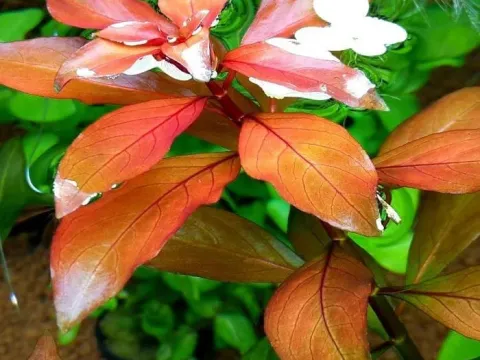
Ludwigia stenorraphe
Ludwigia stenorraphe
Ludwigia stenorraphe is a perennial aquatic plant classified within the Onagraceae family. Originating from the tropical wetlands of Africa, it has adapted to life in environments with varying water levels and nutrient concentrations.
What the section contains
Ludwigia stenorraphe
Botanically, this species is defined by its elongated, lanceolate leaves and flexible, fast-growing stems. It thrives in submerged conditions, effectively absorbing minerals directly through its foliage, which makes it a popular subject for aquatic cultivation.
The plant requires high light intensity to maintain its characteristic coloration and dense growth habit. Maintaining a water temperature between 22 and 28 degrees Celsius is essential for stimulating rapid metabolic processes and biomass production.
Soil or substrate composition should be nutrient-dense, ideally enriched with iron and potassium to support vigorous root development. The pH levels should remain slightly acidic to neutral to ensure optimal nutrient bioavailability in the water column.
In terms of propagation, stem cuttings are the most efficient method for commercial production. Providing supplemental CO2 in enclosed systems can drastically increase growth rates, resulting in healthier and more vibrant plant specimens.
Algal overgrowth is the primary threat to the stability of Ludwigia stenorraphe crops. Algae compete for essential light and nutrients, often smothering the plant and hindering its ability to photosynthesize effectively under intensive conditions.
Bacterial rot, often caused by stagnant water or the accumulation of organic waste, can compromise the integrity of the stem. Maintaining adequate water circulation is a critical management practice to prevent the formation of anaerobic pockets.
Nutrient deficiencies, particularly iron-induced chlorosis, manifest as yellowing of the younger leaves. This issue necessitates regular monitoring and precise adjustment of liquid fertilizers to maintain the plant's health and market appeal.
Pest management is primarily focused on the control of aquatic invertebrates that may graze on the delicate tissue. In greenhouse environments, pests such as aphids may occur on aerial parts of the plant if cultivation is partially emersed.
Effective sanitation of equipment and the use of healthy, disease-free parent stock are the best strategies for preventing outbreaks. Regular pruning also serves as a prophylactic measure, ensuring light reaches the lower levels of the canopy.