
Ludwigia sedoides
Ludwigia sedoides
Description
Growing requirements
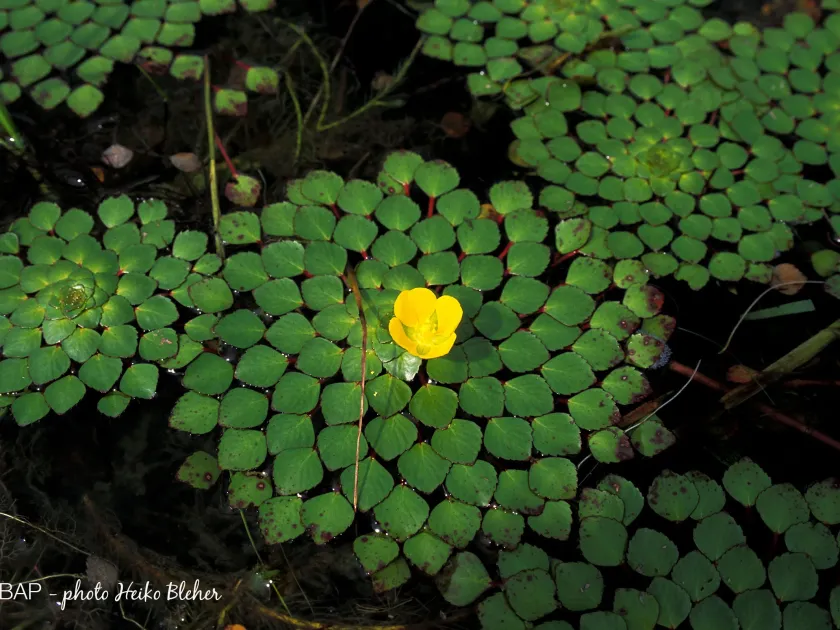
Ludwigia sedoides, commonly known as the mosaic plant, is an ornamental aquatic species belonging to the Onagraceae family. Originating from tropical South America, it thrives in warm, still freshwater environments.
The plant is characterized by its distinctively arranged leaves that form a geometric, mosaic-like rosette floating on the surface of the water, providing a high aesthetic value.
Optimal growth requires high light intensity; the plant performs best when exposed to direct sunlight, which stimulates the production of red pigments in the foliage.
It demands a rich, nutrient-dense aquatic substrate, typically composed of clay-heavy soil, to support its rooting system and sustained development throughout the season.
Climatic requirements are strict: the water temperature must remain consistently above 22 degrees Celsius, making it suitable for greenhouses or tropical pond settings only.
Main diseases and pests
Common pests affecting Ludwigia sedoides include aphids, which frequently target the soft tissues of the floating leaves, potentially causing stunted growth and deformity.
Algal blooms are a primary environmental threat, as they block essential light penetration and compete for dissolved nutrients, which can lead to the decline of the plant.
Root rot caused by stagnant water conditions and the lack of proper water circulation can quickly kill the root system, causing the rosette to detach and drift.
Fungal infections can occur if the water quality is poor, characterized by spotting on the leaves and tissue necrosis, requiring immediate intervention and cleanup.
Maintaining biological balance within the aquatic environment and monitoring for early pest signs are crucial strategies for preventing widespread damage to the culture.