
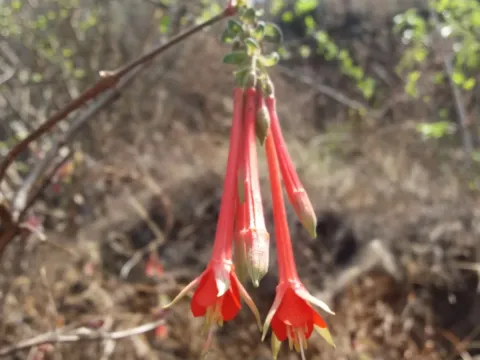
Fuchsia fulgens
Fuchsia fulgens
Fuchsia fulgens, a member of the Onagraceae family, is primarily propagated through stem cuttings taken in the early spring.
What the section contains
Fuchsia fulgens
Selecting healthy, non-flowering shoots ensures better success rates during the rooting phase in a controlled environment.
The cuttings should be placed in a well-aerated medium, such as a mix of peat and perlite, to facilitate rapid root development.
While seed propagation is possible, it is not commonly practiced due to the variability in the offspring and the longer timeframe required.
Once established, the young plants are transplanted into larger containers to support their vigorous initial growth cycle.
Native to the mountainous regions of Mexico, this species prefers cool, shaded locations rather than full, intense tropical sun.
The soil requirements involve a nutrient-rich, moist, and well-draining substrate to prevent waterlogging, which the plant dislikes.
Consistent environmental moisture is crucial; high humidity levels significantly enhance the plant's overall health and foliage vibrancy.
Fuchsia fulgens requires a distinct period of winter rest at cooler temperatures to initiate the bud formation process for the next season.
In terms of fertilization, a balanced liquid fertilizer applied during the active growth period ensures steady development and lush blooms.
The primary agricultural threats to this crop include pests that thrive in greenhouse environments or humid indoor settings.
Whiteflies, aphids, and spider mites are known to colonize the foliage, leading to chlorosis and stunted development of the plant.
Root rot, caused by overwatering and poor drainage, remains the most frequent disease issue during the cooler months of the year.
Integrated pest management, including biological controls and targeted chemical interventions, is necessary for maintaining plant vigor.
- Regular inspection of the foliage underside for pests.
- Maintenance of proper airflow to prevent fungal growth.
- Removal and disposal of infected plant material.