
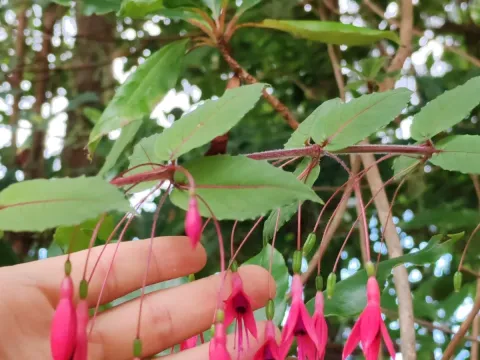
Fuchsia coccinea
Fuchsia coccinea
Fuchsia coccinea, commonly known as the scarlet fuchsia, belongs to the Onagraceae family. Originating from the coastal regions of Brazil, this evergreen shrub is highly valued for its striking, pendulous flowers featuring vivid red sepals and dark petals, which make it a popular subject in botanical gardens and temperate climate horticulture.
What the section contains
Fuchsia coccinea
The plant thrives in cool, humid environments that mimic its natural understory habitat. In cultivation, it requires a sheltered location away from harsh, direct sunlight, which can quickly dehydrate the delicate foliage and cause the premature dropping of buds during the peak flowering season.
Success in growing this species depends heavily on the soil structure, which must be porous, well-draining, and rich in humus. The substrate should be maintained in a moist, but never waterlogged, condition to ensure the health of the sensitive, fine-textured root system that characterizes this genus.
Proper agronomic management involves a consistent fertilization schedule using balanced NPK solutions during the growing months. As the plant enters its peak performance, potassium-rich amendments are recommended to bolster the development of its signature crimson blossoms and strengthen the stems.
Regular structural pruning is essential to maintain a compact, bushy habit and to encourage fresh growth. By pinching the growing tips of young shoots, gardeners can significantly increase the number of blooming branches, resulting in a much more prolific and visually appealing floral display.
Fuchsia coccinea is susceptible to common greenhouse pests such as whiteflies, spider mites, and aphids. These insects proliferate rapidly in dry, stagnant air conditions, necessitating frequent foliage inspection and the use of insecticidal soaps or biological control agents as early intervention.
Pathogenic threats include grey mold (Botrytis cinerea) and various fungal rusts, often triggered by poor ventilation and excessive moisture on leaf surfaces. Maintaining adequate air movement around the plants and avoiding overhead irrigation are critical cultural practices for preventing these devastating outbreaks.