
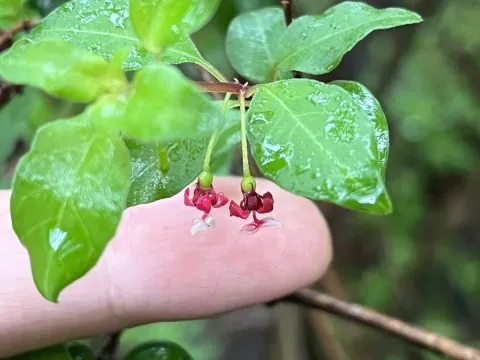
Fuchsia thymifolia
Fuchsia thymifolia
Fuchsia thymifolia is a shrubby perennial plant belonging to the Onagraceae family. In agricultural and horticultural practices, propagation is typically achieved through seeds or stem cuttings, which helps maintain the plant's unique species-specific characteristics.
What the section contains
Fuchsia thymifolia
The optimal time for sowing seeds is early spring, which corresponds with the natural increase in daylight hours. Greenhouse environments allow for earlier sowing, provided that supplemental artificial lighting is utilized to support vigorous seedling development.
For successful germination, a substrate with excellent aeration and moisture retention is required. The seeds should be sown on the surface and lightly covered, kept in a humid environment under a cover to maintain a consistent microclimate.
Temperature management is crucial, with ideal germination occurring between 20 and 22 degrees Celsius. Once the seedlings develop their first true leaves, they should be transplanted into individual pots to provide adequate space for root growth.
Young plants benefit from apical pinching, which encourages a fuller and more bushy growth habit. This pruning practice is essential for maintaining the aesthetic value of the plant in both commercial and decorative cultivation.
Native to the highland regions of Mexico and Guatemala, this species thrives in cool, humid climates. Unlike the common large-flowered hybrids, Fuchsia thymifolia displays a higher tolerance for temperature fluctuations within its natural range.
The soil must be nutrient-rich, light, and well-drained. Drainage is the most critical factor; the root system is highly sensitive to waterlogging, which can quickly lead to fungal rot if the soil composition is too dense.
This species prefers bright, filtered light rather than direct sunlight. Exposure to harsh afternoon sun can lead to leaf scorching, while deep shade will cause the plant to become leggy and significantly reduce its flowering potential.
Consistent moisture management is necessary throughout the growing season. The substrate should remain damp but never waterlogged, requiring a careful balance of watering frequency based on ambient temperature and humidity levels.
Regular fertilization with a balanced, water-soluble fertilizer is recommended during the peak growing months. Applying nutrients in appropriate concentrations ensures sustained growth and development throughout the entire vegetative period.
Whiteflies and spider mites are the most significant pests affecting Fuchsia thymifolia. These pests thrive in indoor or greenhouse settings where air humidity is low and temperatures are elevated.
Management of pest populations includes the use of biological controls or systemic insecticides. Regular inspections of the undersides of the leaves are necessary to identify early signs of infestation and prevent rapid population growth.
Powdery mildew can become an issue if there is poor air circulation and high humidity around the canopy. Maintaining proper spacing between plants is essential to allow for adequate airflow and disease prevention.
Root rot is a common physiological threat resulting from improper watering schedules or poorly draining substrate. If detected, prompt action, including repotting and removing affected root sections, is required to save the plant.
Preventative measures for diseases also include strict sanitation of cultivation tools and the use of sterile growing media. Vigilance and early detection remain the best defense against potential plant health issues.