
Fragrant evening primrose
Oenothera suaveolens
Description
Sowing dates
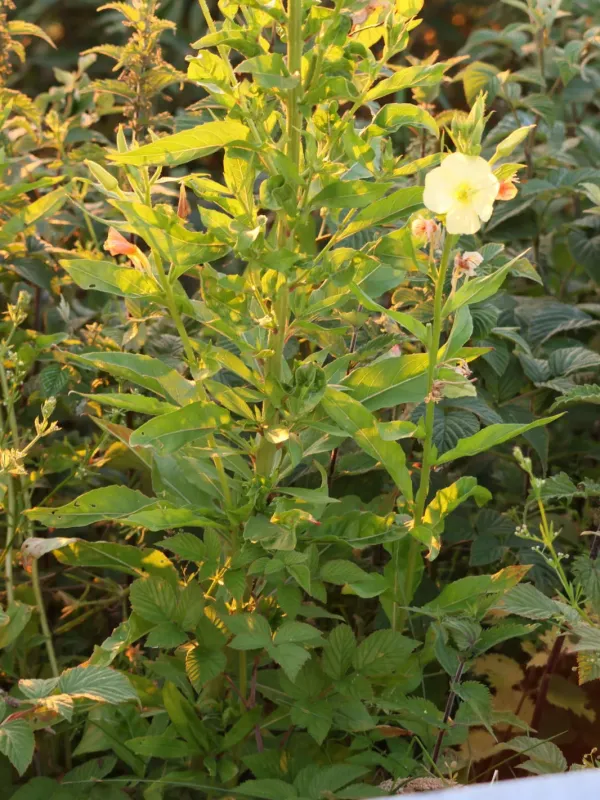
Fragrant evening primrose (Oenothera suaveolens) belongs to the Onagraceae family. It is a biennial herbaceous plant that develops a basal rosette in the first year and a flowering stalk in the second year.
Sowing is typically performed either in late autumn or early spring. Autumn sowing is often preferred as the seeds require a period of stratification to improve germination rates in the spring.
Due to the extremely small size of the seeds, they should be sown at a shallow depth of approximately 0.5–1 cm. Precision seed drills are recommended to ensure uniform plant spacing.
Row spacing should be maintained between 45 and 60 cm to allow for mechanical weeding and proper air circulation. A fine, well-prepared seedbed is essential for successful establishment.
The standard seeding rate ranges from 2 to 3 kg per hectare. It is crucial to ensure good soil-to-seed contact without burying the seeds too deeply, which inhibits emergence.
Growing requirements
The plant is highly photophilous and requires full sun exposure for optimal growth and seed production. Shaded areas lead to reduced oil content and lower crop yields.
Oenothera suaveolens performs best in light, well-draining soils such as sandy or silty loams. Poor drainage can quickly lead to root rot and plant mortality.
The ideal soil pH for cultivation ranges from 6.0 to 7.5. Soil testing is recommended prior to planting to determine if lime applications are necessary for acidic conditions.
While the plant is somewhat drought-tolerant, consistent moisture during the flowering and pod-filling stages is critical for maximizing seed quality and overall yield.
The crop is highly valued for its oil, which is a rich source of gamma-linolenic acid (GLA). Additionally, it serves as an excellent nectar source for various pollinators.
Main diseases and pests
The crop is generally hardy, but it can be susceptible to root and crown rots if grown in waterlogged or overly compacted soils. Proper field drainage is the best preventative measure.
Pests such as aphids and leaf-eating beetles may infest the rosettes, especially during the first year of growth. Regular scouting is necessary to prevent significant damage.
Weed control is the most significant challenge in the early stages of development. Mechanical cultivation between rows is required until the plants form a full canopy.
Crop rotation helps mitigate the build-up of soil-borne pathogens. It is recommended not to plant evening primrose on the same plot for at least three consecutive years.
Integrated pest management strategies should be implemented to ensure the harvested product meets quality standards, especially for medicinal and food applications.
Harvesting
Harvesting Oenothera suaveolens is technically demanding because seeds mature asynchronously. The crop is typically harvested when the majority of seed pods turn brown.
A two-stage harvesting process is common: mowing the crop into swaths to dry, followed by combining using a pickup attachment. This minimizes shattering losses in the field.
Immediate post-harvest cleaning and drying are essential to prevent spoilage. High moisture content in the seeds will degrade the quality of the essential oil within days.
Stored seeds must be kept in a cool, dry, and well-ventilated environment. Maintaining low humidity is crucial to prevent fungal growth and lipid oxidation.
Quality assessment involves checking seed purity and oil content. Proper post-harvest management ensures a premium product suitable for the pharmaceutical and nutraceutical markets.