
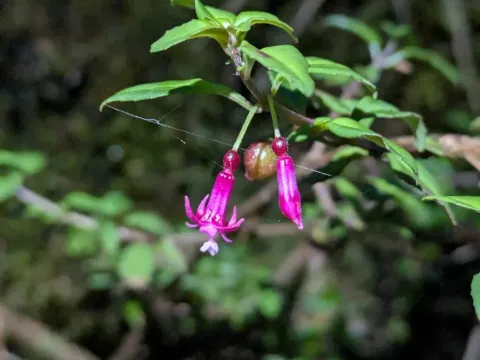
Fuchsia microphylla
Fuchsia microphylla
Propagation of Fuchsia microphylla is most effectively achieved through stem cuttings during the early spring season. Using soft-wood cuttings ensures a rapid root development process.
What the section contains
Fuchsia microphylla
Seed propagation requires a consistent temperature of around 20–22 degrees Celsius and high humidity levels. Seeds should be sown on the surface of a light, sterilized seed-starting mix.
Germination typically occurs within a few weeks under stable conditions. Maintaining a light covering to preserve moisture is recommended until the first true leaves emerge.
Once seedlings have reached a manageable size, they should be transplanted into individual small pots. This prevents overcrowding and allows for better nutrient distribution during the initial growth phase.
Continuous pruning of young plants is essential to promote a compact habit. By pinching back the growing tips, gardeners can ensure a denser structure and more prolific blooming.
Fuchsia microphylla is a member of the Onagraceae family. Originating from the mountainous regions of Mexico and Central America, it is naturally adapted to cool and moist environments.
The plant thrives in well-drained, nutrient-rich soil with a slightly acidic to neutral pH level. Providing a drainage layer in pots is crucial to prevent the root rot commonly associated with water stagnation.
Partial shade is the ideal lighting condition for this species. It should be shielded from intense afternoon sunlight, which can quickly dehydrate the delicate foliage and damage the buds.
Regular watering is required during the active growing season, ensuring the soil remains moist but never waterlogged. Monitoring soil moisture before each irrigation event is a recommended best practice.
A dormant period during winter is beneficial for the health of Fuchsia microphylla. During this time, the plant should be kept in a cool, bright location with significantly reduced water intake.
Spider mites are the most prevalent pests affecting this fuchsia species, particularly in dry and warm conditions. Frequent misting and proper ventilation act as excellent deterrents.
Aphids often target new, succulent growth. They can be effectively managed with insecticidal soaps or by introducing biological controls to the growing area if the environment allows.
Whiteflies can cause significant damage by feeding on plant sap and spreading viral issues. Regular inspections of the underside of leaves are necessary for early detection and mitigation.
Botrytis, or grey mold, frequently occurs in overly humid and poorly ventilated spaces. Keeping the foliage dry and ensuring adequate spacing between plants can prevent the onset of this disease.
Root rot caused by Phytophthora or other pathogens is a major threat linked to poor soil structure. Maintaining a rigorous sanitation protocol and ensuring high-quality drainage is vital for survival.