
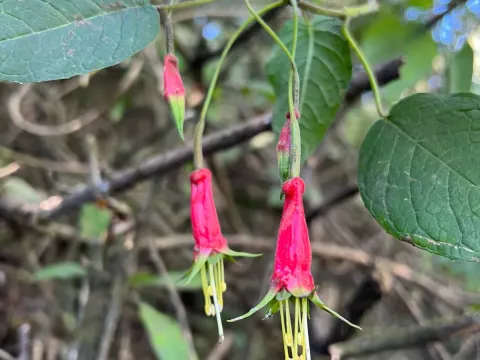
Fuchsia splendens
Fuchsia splendens
Propagation of Fuchsia splendens is primarily achieved through seeds or stem cuttings. Seed sowing should be performed in late winter using a light, well-draining substrate rich in peat or perlite.
What the section contains
Fuchsia splendens
For vegetative propagation, semi-hardwood cuttings are taken during the spring months. Keeping these cuttings in a humid, stable environment (20–22°C) is essential for successful root development.
Once seedlings have developed at least two pairs of true leaves, they should be transplanted into individual containers to prevent overcrowding and root competition.
Transplanting to outdoor garden beds or final pots should only occur once the risk of spring frost has completely passed, as young plants are highly sensitive to sudden cold snaps.
Acclimatization, or hardening off, is a crucial step before moving plants outdoors. Gradually exposing them to outdoor conditions over 7–10 days ensures robust growth and prevents shock.
Fuchsia splendens belongs to the Onagraceae family. It is native to the cloud forests of Mexico and Central America, thriving in cool, shaded, and high-humidity environments.
The plant requires partial shade to reach its full potential. Excessive direct sunlight will result in scorched foliage and stunted growth, negatively impacting the overall display of flowers.
Soil requirements include high fertility and excellent aeration. A slightly acidic pH is preferred, and the inclusion of organic matter helps retain the necessary moisture without causing waterlogging.
Consistent watering is vital during the growing season. The root zone must remain moist but never soggy, as poor drainage is the most common cause of root rot in this species.
During the dormant winter season, Fuchsia splendens requires a cooler environment (around 10–12°C). Reducing watering frequency during this time is necessary to prevent premature new growth.
Whiteflies and spider mites are the most persistent pests affecting this plant. These insects thrive in warm, dry environments and can quickly sap the vitality of the plant.
Powdery mildew is a frequent fungal threat, appearing as a white, dusty layer on the leaves and stems. It usually develops due to poor air circulation or overcrowding of plants.
Botrytis, or gray mold, can also affect the plant, especially in high-humidity conditions where stagnant air prevents proper evaporation of moisture from foliage.
Effective pest and disease management relies on early detection. Regularly inspecting the undersides of leaves and the base of the stems allows for prompt intervention before an infestation spreads.
When chemical control is necessary, always choose products specifically labeled for ornamental plants and follow the manufacturer's instructions regarding application rates and frequency.