
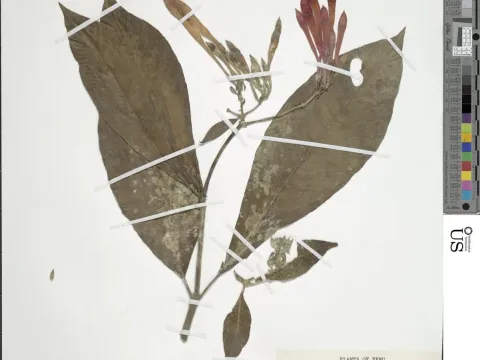
Fuchsia corymbiflora
Fuchsia corymbiflora
Fuchsia corymbiflora is a distinctive member of the Onagraceae family, native to the mountainous regions of Peru and Ecuador. It is a vigorous, woody shrub known for its spectacular display of long, tube-shaped red flowers that hang in large terminal clusters.
What the section contains
Fuchsia corymbiflora
Botanically, this species stands out due to its elongated floral tubes and large, opposite leaves. It thrives in high-altitude environments, which means it prefers cooler ambient temperatures compared to many other common fuchsia varieties currently in cultivation.
The cultural requirements for this plant emphasize the need for bright, indirect light. Exposure to direct noon sun can scorch the foliage, while deep shade will significantly reduce the number of blooms produced during the growing season.
Soil management is crucial; it requires a well-draining, nutrient-rich substrate, preferably a peat-based mix with added horticultural grit or perlite. Maintaining consistent soil moisture is essential, as the roots are sensitive to both extreme drought and waterlogging.
Proper agronomic maintenance involves regular feeding with a balanced liquid fertilizer during the active growing phase. Periodic light pruning is necessary to maintain the shrub's shape and to encourage the development of new flowering shoots for the subsequent season.
The primary pests affecting Fuchsia corymbiflora are the two-spotted spider mite and greenhouse whitefly. These insects thrive in dry air, so maintaining appropriate humidity levels is a key preventive strategy against infestations.
Root rot, often caused by Pythium or Phytophthora species, is the most common disease threat, triggered by poorly draining soil or overwatering. Maintaining a sterile growing environment and ensuring adequate airflow are vital for preventing fungal outbreaks.