
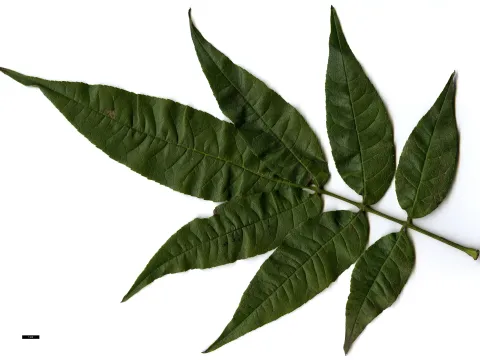
Pax Ash
Fraxinus paxiana
Pax Ash (Fraxinus paxiana) is a member of the Oleaceae family, native to the mountain forests of China. This deciduous tree is recognized for its straight trunk and symmetrical crown, making it a valuable species both for ecological reforestation and for use in landscape architecture.
What the section contains
Pax Ash
The culture thrives in deep, fertile soils that provide excellent drainage while maintaining consistent moisture levels. It performs best in environments where the soil is rich in organic matter and pH levels are balanced, which promotes strong root development and high growth rates during the spring and summer seasons.
Regarding climate, Pax Ash requires a temperate or subtropical environment with well-defined seasons. While it prefers warmth for metabolic activity, it also benefits from protected positions that shield it from extreme winds and harsh frost events, which can be detrimental to the younger shoots and the overall tree structure.
Agricultural management for this species focuses on maintaining proper spacing in plantations to ensure adequate airflow and light penetration. Thinning the canopy is not typically required unless there is a need for formative pruning to improve the aesthetics or the structural integrity of the main leader branch.
Irrigation management is vital during the establishment phase, as Pax Ash is sensitive to prolonged drought periods. Regular monitoring of the soil moisture profile, combined with mulching around the root base, helps to retain water and protect the soil from temperature fluctuations and competitive weed growth.
The Emerald Ash Borer is a primary biological threat to all Fraxinus species, including the Pax Ash. This insect pest excavates galleries under the bark, disrupting the nutrient supply and causing crown dieback, which necessitates strict quarantine measures and professional pest control interventions.
Fungal pathogens such as Hymenoscyphus fraxineus, known for causing ash dieback, represent a significant concern for the health of plantations. Managing the spread of spores often involves removing infected biomass and ensuring that the plantation site has optimal ventilation to reduce humidity levels within the canopy.
Aphids and various mite species can infest the foliage, particularly in the spring, leading to leaf curling and reduced photosynthetic capacity. Integrated pest management, which includes introducing beneficial insects and targeted biological applications, is recommended to manage these populations without damaging the ecosystem.
Root rot caused by Phytophthora species can occur in poorly drained, waterlogged soils. This condition is often fatal and difficult to treat, reinforcing the importance of site selection and the installation of effective drainage systems prior to the initial planting of the ash trees.
Mechanical damage to the bark, whether caused by maintenance equipment or environmental factors, serves as an entry point for opportunistic infections. Maintaining clean cultivation practices and protecting the base of the trees from machinery is essential for longevity and health in forestry operations.