
Papillose ash
Fraxinus papillosa
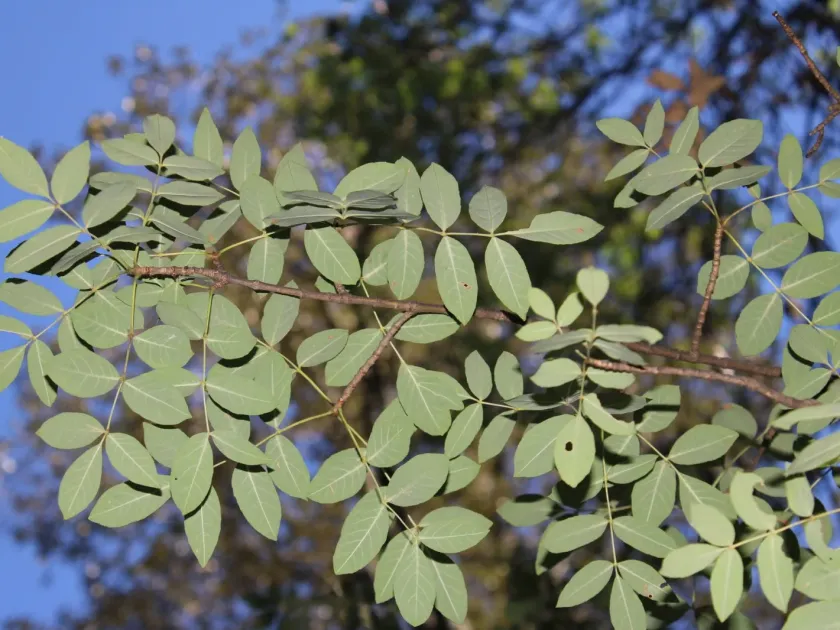
Description
Growing requirements
The Papillose ash (Fraxinus papillosa) belongs to the Oleaceae family. It is a distinctive tree species native to the mountainous regions of Mexico, where it has adapted to specific high-altitude environmental conditions.
This species thrives in well-drained, loamy or rocky soils that prevent waterlogging. It exhibits a moderate tolerance to drought, though it prefers consistent moisture levels during its primary growing season for optimal development and canopy expansion.
Climate requirements for this ash species include temperate zones with protection against extreme frost and scorching heat. It performs best in open locations that provide ample sunlight, which is essential for the photosynthesis of its complex, compound leaves.
The botanical name refers to the presence of papillae on the leaf surface, a microscopic structural feature that assists the tree in managing water loss and light reflection. The growth habit of the tree is generally slow, emphasizing a sturdy and durable structure.
Economically, the Papillose ash is valued for its hard, resilient wood and its role in ornamental forestry. It is often integrated into landscape projects to provide structure and erosion control on slopes where its root system can flourish.
Main diseases and pests
The primary threats to Fraxinus papillosa include fungal infections such as leaf spots and shoot blight. These pathogens are most prevalent during seasons with high humidity and stagnant air, which can weaken the overall health of the tree.
Insect pests, including aphids and scales, can pose a risk by sap-sucking on young leaves and stems. Persistent monitoring is required during the spring to prevent significant infestations that could stunt the tree's development.
Root system health is vital; therefore, any environmental stress or soil compaction can lead to opportunistic infections. Preventing water stagnation is the most critical cultural practice to avoid root rot and similar soil-borne diseases.
Sanitary pruning serves as an essential method for mitigating threats. By removing dead or diseased branches, the gardener minimizes the substrate available for fungal growth and enhances the internal circulation of the tree.
In cases of severe infestation, targeted treatments are necessary to ensure survival. However, maintaining good soil fertility and proper watering schedules usually provides the tree with the natural strength needed to resist most common regional pests.