
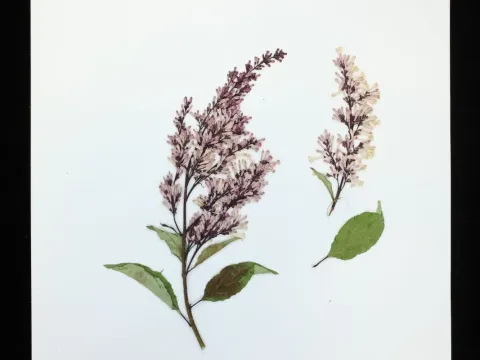
Pine lilac
Syringa pinetorum
Syringa pinetorum, commonly known as the pine lilac, is a member of the Oleaceae family. This species originates from the mountainous regions of China, specifically Sichuan and Yunnan, where it is characteristically found thriving in or near coniferous forest margins.
What the section contains
Pine lilac
As a deciduous shrub, it typically grows to heights between 2 and 4 meters. The leaves are ovate to lanceolate in shape, possessing a firm and leathery texture, which maintains an attractive appearance throughout the growing season even after the flowers fade.
The cultivation of this species requires well-drained, fertile soil with a slightly acidic to neutral pH. It is adapted to high-altitude environments, favoring positions with full sunlight to encourage dense flower production and healthy branching patterns.
Agronomic management involves consistent moisture management, particularly during the hot summer months. Mulching around the base of the plant is highly recommended to regulate soil temperature and retain moisture, mimicking the conditions of its native forest environment.
The primary use for the pine lilac is within botanical collections and ornamental landscapes. Because of its rarity and distinct floral displays, it is prized by enthusiasts seeking unique lilac species that offer a different aesthetic compared to common garden varieties.
Common threats to the health of the plant include powdery mildew, which can develop on the foliage in humid, stagnant conditions. Ensuring good air circulation around the shrub is a key preventive cultural practice.
Pest issues often involve scale insects or mites that target the bark and underside of leaves. Integrated pest management strategies, including the use of horticultural oils during the dormant season, are effective in controlling these populations.