
Oenothera subterminalis
Oenothera subterminalis
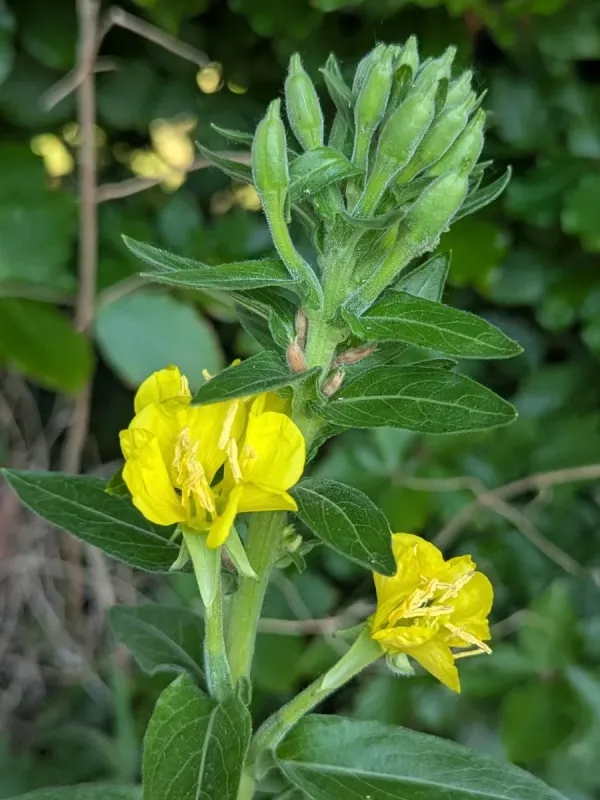
Description
Sowing dates
Oenothera subterminalis is a plant species from the Onagraceae family, recognized for its potential as an oilseed crop due to its unique chemical profile. Proper field preparation is fundamental for establishing a successful crop.
Seeding should be performed in early spring once soil temperatures reach a consistent 8–10 degrees Celsius. Due to the very small size of the seeds, precise equipment is needed to ensure accurate placement.
Seeds should be planted at a shallow depth of 1–2 centimeters, as they require light to aid the germination process. A row spacing of 30 to 45 centimeters is typically recommended to facilitate weeding operations.
The plant adapts well to various soil types, ranging from sandy loams to lighter clay soils, provided that the field has sufficient drainage to prevent waterlogging during the initial growth phase.
Autumn sowing is also feasible in certain climates, as the seeds undergo natural vernalization, resulting in vigorous spring development and an earlier flowering start compared to spring-sown crops.
Growing requirements
This crop is highly heliophilic, meaning it thrives under full solar exposure. Any degree of shading throughout the day will negatively impact the plant's photosynthetic capacity and final yield.
Oenothera subterminalis demonstrates moderate drought tolerance once established, but maintaining consistent soil moisture levels during the flowering and seed-set stages is vital for maximum yield potential.
Fertilizer application should be balanced, focusing on phosphorus and potassium to support reproductive growth. Excessive nitrogen should be avoided as it stimulates disproportionate foliage development.
The ideal soil pH for this species falls between 6.0 and 7.5. On acidic soils, liming the field prior to planting is a standard recommendation to ensure optimal nutrient availability and root health.
Weed control is the most critical management activity during the first four to six weeks of growth, as the young seedlings are delicate and cannot effectively compete for soil nutrients or water.
Main diseases and pests
Powdery mildew is a primary fungal threat for this crop, especially in areas with high humidity, limited air movement, or excessive plant density within the rows.
Pests such as aphids are frequently observed, as they feed on the sap of young buds and leaves, often acting as vectors for secondary viral infections that weaken the entire plant.
Root rot pathogens may thrive in waterlogged soil conditions, leading to plant stunting or premature death. Proper field drainage and avoiding soil compaction are the best preventive measures.
Integrated pest management strategies should include periodic monitoring to identify early signs of infestation, allowing for targeted and efficient pesticide application only when necessary.
Maintaining a clean field perimeter by eliminating host weeds is an essential component of the phytosanitary program for protecting the Oenothera stand.
Harvesting
Harvesting Oenothera subterminalis is challenging because the seeds mature progressively along the inflorescence, creating a risk of shattering if the timing is not precise.
The most efficient harvest method is the two-stage approach: swathing the crop when the lower seeds are mature and allowing them to finish ripening in the windrow before combining.
Maturity is identified by the browning of the seed capsules and the darkening of the seeds. It is crucial to monitor the field closely to catch the window where shattering risk is minimized.
After threshing, the seed lot must be immediately cleaned to remove organic matter, which can hold moisture and lead to the degradation of the oil quality during storage.
Final storage must occur in a dry, ventilated facility with a seed moisture content of less than 10 percent to ensure the long-term chemical stability of the valuable fatty acids.