
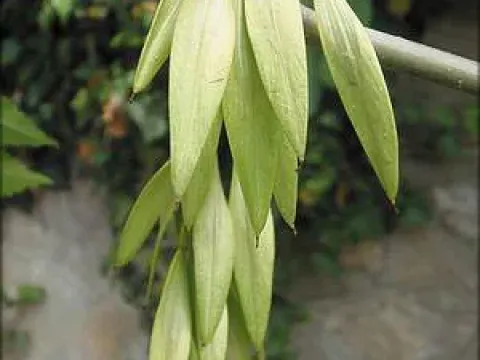
Pallis ash
Fraxinus pallisiae
Pallis ash (Fraxinus pallisiae) belongs to the Oleaceae family and is recognized for its unique ecological niche in floodplain habitats. This species requires deep, fertile, and well-drained soils to reach its maximum growth potential. While it favors moisture-rich environments, standing water for extended periods can be detrimental to the root system, necessitating careful soil site selection.
What the section contains
Pallis ash
Regarding climate, the tree thrives in temperate regions, showing a preference for locations with ample sunshine. While adaptable, it performs best when sheltered from heavy winds that can cause branch breakage or leaf scorch. Ensuring a balance of light and humidity is crucial for maintaining the tree’s characteristic aesthetic form throughout the growing season.
The agrotechnical management of Fraxinus pallisiae involves consistent monitoring of soil moisture levels, particularly for juvenile specimens. Mulching is highly recommended to regulate temperature and maintain soil structure. Nitrogen-based fertilizers should be applied sparingly in early spring to support foliage development without promoting excessively succulent growth that may be vulnerable to winter frost.
Economically and ornamentally, the Pallis ash is valued for its elegant canopy and suitability for urban planning, particularly in large park settings. Its structural properties make it a viable candidate for reforestation projects in riparian zones. When managed correctly, it provides excellent ecosystem services, including carbon sequestration and habitat support for local fauna.
Propagation is typically handled through seed germination protocols that involve cold stratification to break dormancy. Nursery management requires frequent inspection for apical dominance, with light pruning performed in the dormant season to ensure a straight, healthy trunk. Proper spacing between trees is essential to prevent overcrowding and to promote uniform canopy development.
The primary threat to the Pallis ash is ash dieback, caused by the fungus Hymenoscyphus fraxineus. This disease manifests as wilting leaves and necrosis of twigs, potentially leading to tree mortality. Management strategies focus on early detection, pruning infected parts, and ensuring trees are not under environmental stress, which increases their susceptibility.
Pest management is centered on controlling populations of boring insects such as the emerald ash borer, which can devastatingly impact tree vascular systems. Preventive measures include the application of systemic treatments and keeping the plantation density at optimal levels to allow for air circulation and easier inspection of tree health.