
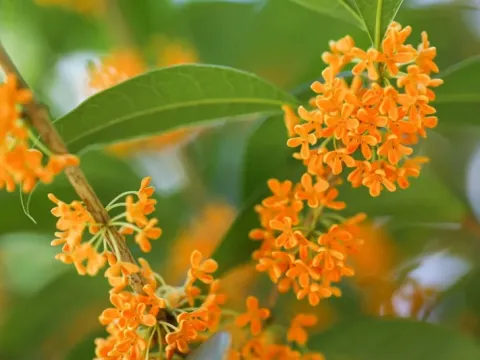
Osmanthus
Osmanthus Lour.
Osmanthus (Osmanthus Lour.) is a genus of evergreen shrubs and small trees belonging to the family Oleaceae. Native primarily to temperate and subtropical regions of Asia, these plants are highly valued for their ornamental beauty and intense, complex fragrance produced by their small, prolific flowers.
What the section contains


Osmanthus
Botanically, Osmanthus is defined by its thick, leathery leaves and characteristic floral structure. The genus encompasses several species that have been cultivated for centuries, not only for landscaping but also for the extraction of aromatic oils used extensively in the global perfume and food flavoring industries.
The plant requires a stable climatic environment, preferring areas with moderate rainfall and protection from harsh, drying winds. It thrives in well-drained, fertile soil with a pH ranging from slightly acidic to neutral, which ensures optimal nutrient uptake and promotes vigorous foliage growth.
Agricultural management of Osmanthus involves a balanced approach to irrigation and fertilization. During the active growth phase, supplying macro and micronutrients is essential to maintain high flower yield. Routine pruning is also recommended to shape the plant and improve air circulation, which prevents the build-up of excess humidity within the canopy.
Beyond its visual appeal, the commercial cultivation of Osmanthus has expanded due to the high market demand for its flowers, which are used to scent high-end teas and beverages. Proper site selection and careful monitoring of soil moisture remain the key factors for successful, sustainable cultivation of this crop.
Common pests that may affect Osmanthus plantations include scale insects and spider mites. These pests thrive in dry conditions and can cause significant damage to the leaf tissue; therefore, regular scouting and the application of horticultural oils or targeted pesticides are advised for management.
Disease outbreaks, such as root rot or fungal leaf spots, are typically linked to improper drainage and stagnant soil moisture. To mitigate these threats, growers should prioritize planting in raised beds or well-draining soil mixes and ensure that pruning practices allow for sufficient light and air penetration.