
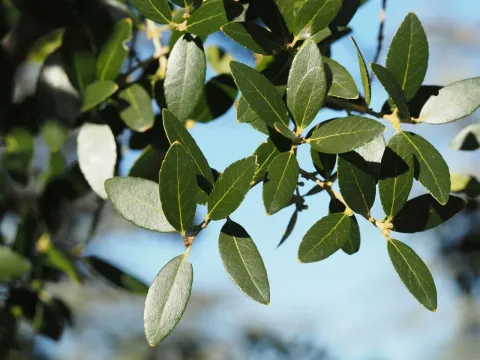
Phillyrea
Phillyrea L.
Phillyrea (Phillyrea L.) is a genus of evergreen shrubs and small trees belonging to the Oleaceae family. Often referred to as mock privet, these plants are native to the Mediterranean basin and are closely related to olives.
What the section contains


Phillyrea
These plants are highly valued for their dense, glossy dark-green foliage and their ability to withstand the harsh conditions of their native climate. They are typically slow-growing, which makes them excellent candidates for formal topiary and low-maintenance hedges.
Phillyrea thrives in well-drained, sandy, or loamy soils with a neutral to alkaline pH. They require full sun to partial shade for optimal growth, although they show their best leaf density when exposed to consistent sunlight throughout the day.
Regarding climate, Phillyrea is well-adapted to hot, dry summers. While they can tolerate light frost, young plants benefit from protection during severe winter cold, especially in regions outside their typical Mediterranean hardiness zones.
The agrotechnical maintenance of Phillyrea is relatively simple. Once established, the shrubs are quite drought-tolerant and require supplemental irrigation only during prolonged dry spells. Annual pruning is encouraged to maintain the desired shape and density.
One of the primary benefits of choosing Phillyrea for landscaping is its natural resistance to most common garden pests and diseases. The plant’s thick, leathery leaves discourage many foliage-eating insects.
However, gardeners should watch for scale insects and aphids, which may occasionally infest the tender new growth. Prompt application of horticultural soap or organic insecticides is usually sufficient to resolve minor infestations.
Root rot is the most significant threat to the health of the plant, almost always caused by poor soil drainage. Ensuring a proper planting depth and incorporating gravel or coarse sand into the soil mix is vital to preventing waterlogging.
Powdery mildew can occur in areas with very poor air circulation or consistently high humidity. Improving spacing between plants and clearing debris from the base of the shrub helps significantly in reducing the risk of fungal outbreaks.
Environmental stress, such as extreme winter winds, may cause leaf burn or twig dieback. Providing a windbreak or a protective cover during extreme weather events is recommended to maintain the aesthetic quality of the shrub.