
Phillyrea
Phillyrea
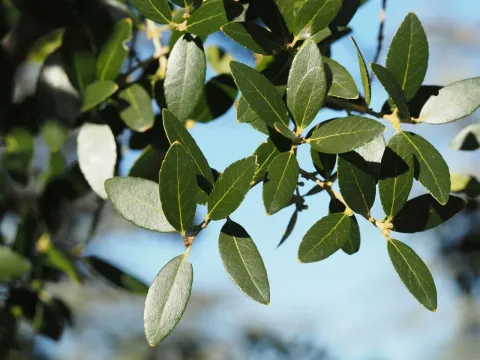
Phillyrea is a genus of evergreen shrubs and small trees belonging to the Oleaceae family. Native to the Mediterranean region, these plants are highly valued for their dense, glossy foliage and robust growth habits.
What the section contains
Phillyrea
The climate requirements for Phillyrea are focused on mild winters and dry, sunny summers. While the plant can tolerate light frosts, it thrives best when protected from harsh winds and freezing temperatures.
In terms of soil, this plant prefers well-drained, fertile substrates that do not retain excess water. It is adaptable to various pH levels, although it performs exceptionally well in slightly alkaline or calcareous soils.
Planting should be done in a sunny spot to ensure optimal foliage density and overall plant health. During the initial growth phase, consistent watering is recommended, but established plants are remarkably drought-tolerant.
Agricultural techniques for Phillyrea include regular pruning to maintain the desired shape. Due to its slow-to-moderate growth rate and dense structure, it is widely utilized for hedging, topiaries, and formal garden designs.
Phillyrea is generally considered a low-maintenance plant with high resistance to common garden pests. Its tough, leathery leaves serve as a natural defense mechanism against many herbivorous insects.
The most common threat is root rot caused by poor soil drainage. If the water cannot move away from the roots, the plant becomes susceptible to fungal attacks, which can weaken its structure.
While rare, infestations of scale insects may occur, especially if the plant is grown in containers with poor airflow. Regular monitoring and physical removal are usually sufficient for minor cases.
To ensure a healthy plant, it is advised to avoid overhead irrigation in late evenings, as this can encourage the development of leaf spots or other minor fungal issues during high-humidity periods.
No major viral or serious bacterial diseases are typically associated with Phillyrea, making it an excellent choice for sustainable landscape projects that require minimal pesticide intervention.