
Osmarea
Osmarea
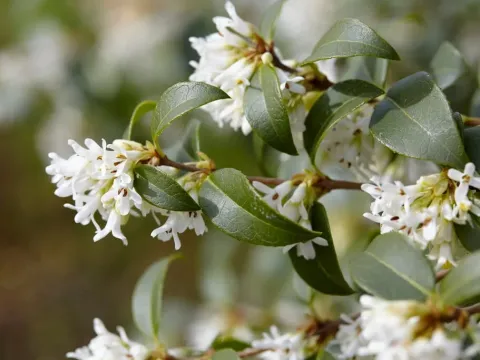
Osmarea (Osmarea) is an intergeneric hybrid resulting from a cross between Osmanthus delavayi and Phillyrea angustifolia. This ornamental plant belongs to the Oleaceae family and is highly valued for its adaptability and dense foliage.
What the section contains
Osmarea
The crop is an evergreen shrub that reaches a height of 2-3 meters under favorable conditions. It features dense, glossy, dark green, leathery leaves that maintain their decorative appearance throughout the entire year, making it a popular choice for gardens.
For successful development, Osmarea requires a sunny or partially shaded location, sheltered from strong, cold winds. The plant prefers moderately fertile, well-drained loamy soils with a neutral to slightly acidic pH level.
An important factor during cultivation is providing sufficient moisture during the active growing season. However, the plant is highly sensitive to waterlogging, and proper drainage at the time of planting is mandatory to prevent root rot.
Osmarea possesses moderate winter hardiness and can withstand brief temperature drops down to -15°C. In regions with harsh winters, the shrub requires high-quality mulching of the root zone and protection of the foliage with horticultural fleece.
In general, Osmarea is characterized by strong natural resistance and is rarely affected by pathogens. Among potential diseases, root rot is the most common issue, occurring only if irrigation regimes are mismanaged or soil drainage is poor.
Among pests, aphid colonies may occasionally appear, especially during hot and dry periods. Preventive treatment with systemic insecticides at the beginning of the spring season is recommended to control insect populations effectively.
The plant may also be susceptible to scale insects, which suck sap from young shoots and weaken the shrub. Control involves the use of horticultural oils or specialized contact-action pesticides designed for garden use.
Leaf chlorosis can occur due to a deficiency of micronutrients, particularly iron, if the soil has an overly alkaline reaction. This is managed by applying chelated fertilizers and acidifying the soil with peat-based substrates.
To maintain the health of the crop, regular sanitary pruning is necessary to remove dead or damaged branches. This practice improves air circulation within the canopy and significantly reduces the risk of fungal infections in dense plantings.