
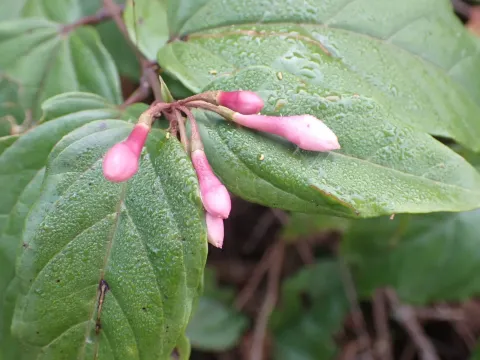
Pink Jasmine
Jasminum dispermum
Jasminum dispermum, commonly known as Pink Jasmine, is a vigorous evergreen climber belonging to the Oleaceae family. It is native to the mountainous regions of the Himalayas, thriving in diverse altitudes across Afghanistan and China.
What the section contains
Pink Jasmine
The crop requires a well-drained, nutrient-rich soil medium to achieve optimal growth. It is highly sensitive to waterlogging, necessitating specific attention to soil aeration and drainage systems when grown in containers or controlled environments.
Botanically, this species is distinguished by its pinnate leaves and terminal clusters of fragrant, pale pink or white flowers. It is widely recognized for its fast-growing habit, which requires substantial vertical support structures in commercial settings.
In terms of climate, the species prefers temperate conditions with high humidity levels. While it tolerates partial shade, maximum flowering intensity is achieved when the plant is exposed to bright, filtered sunlight for a significant portion of the day.
Agricultural utilization is primarily focused on the extraction of aromatic oils for the cosmetic and perfume industries. Additionally, it serves as a prominent horticultural crop for greenhouse production, valued for its ornamental appeal.
The most prevalent pest affecting Jasminum dispermum is the spider mite, which flourishes in dry, warm indoor environments. Infestations lead to leaf chlorosis and premature senescence if not addressed with adequate moisture management.
Fungal issues, specifically root rot, are commonly observed when irrigation practices are inconsistent or the soil drainage is inadequate. Proper management of substrate salinity and moisture content is essential for long-term health.
Powdery mildew can infect foliage during periods of low light and high humidity, particularly if there is insufficient air circulation. Thinning out the vine density helps mitigate this threat significantly.
Scale insects can occasionally infest stems and leaf axils, drawing nutrients from the plant and weakening its structure. Integrated pest management using systemic horticultural oils is effective in controlling these outbreaks.
Ensuring plant health requires regular inspections of both the abaxial and adaxial surfaces of the leaves. Early detection of any nutritional deficiencies or pest presence is critical for maintaining consistent productivity and plant vigor.