
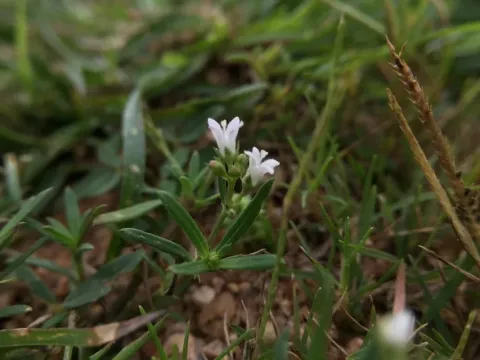
Oldenlandia attenuata
Oldenlandia attenuata
Oldenlandia attenuata is a perennial herbaceous plant belonging to the Rubiaceae family. Native to tropical regions, this species is well-adapted to warm climates and thrives in areas with high annual rainfall and consistent temperatures.
What the section contains
Oldenlandia attenuata
The plant requires well-drained, nutrient-rich soils to reach its full development potential. It typically grows best in a sunny location but can tolerate partial shade, which helps maintain soil moisture during the hottest months of the year.
Botanically, it is recognized by its slender, elongated leaves and small but distinct flowers. The root system is relatively shallow, necessitating frequent but light irrigation to prevent moisture stress during dry spells.
Cultivation practices involve proper soil preparation to ensure aeration. Since the plant is sensitive to waterlogging, planting on raised beds or using light, sandy-loam soil mixtures is highly recommended by agronomists.
In terms of economic use, the plant is primarily cultivated for its bioactive compounds. It serves as a valued source in traditional medicine, where its extracts are utilized for their noted therapeutic properties in various herbal preparations.
Root rot is the most significant threat to Oldenlandia attenuata, typically caused by fungi such as Pythium or Rhizoctonia. These occur most frequently in waterlogged soil conditions, making proper drainage vital.
Powdery mildew can affect the foliage, appearing as white patches. This fungal disease spreads rapidly in humid environments, so ensuring adequate air circulation between rows is a crucial preventive measure for farmers.
Pests such as aphids and spider mites are known to colonize the plants during the peak growth season. They damage the leaves by piercing plant tissues, which can lead to stunted growth and reduced leaf quality.
Integrated pest management (IPM) strategies, including the introduction of natural predators or the application of organic neem-based sprays, are effective ways to control these populations without harming the plant's medicinal quality.
General farm hygiene, such as removing debris and preventing weed competition, helps maintain a healthy growing environment, ensuring that the crop remains vigorous and less susceptible to opportunistic pathogens.