
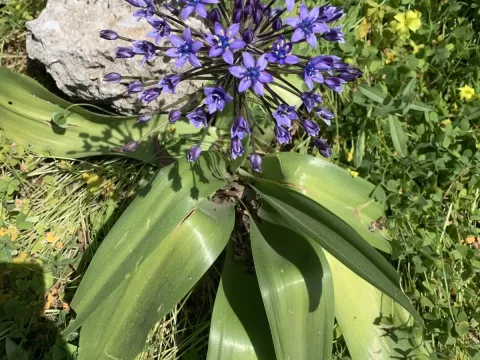
Oncostema elongata
Oncostema elongata
Oncostema elongata is a perennial bulbous plant belonging to the Asparagaceae family. Historically, it has been categorized within the Scilla genus, reflecting its morphological similarity to various squill species in terms of leaf structure and floral arrangement.
What the section contains
Oncostema elongata
The plant originates from the Mediterranean basin and parts of North Africa. Its natural habitat includes rocky slopes and scrublands where the soil dries out completely during the summer dormant season, which is crucial for its survival.
For cultivation, Oncostema elongata requires well-draining, gritty soil. Waterlogging is the most common cause of plant failure, so incorporating coarse sand or grit into the planting medium is highly recommended to improve aeration and drainage.
The plant thrives in full sun but can tolerate light, filtered shade during the hottest parts of the day in warmer climates. Sufficient light exposure is essential for the bulb to store enough energy for the subsequent flowering season.
Cultural practices must mirror the plant's native Mediterranean cycle. Active growth occurs during the cooler, wetter months of autumn and spring, while the bulb enters a deep dormancy during the heat of summer, requiring dry soil conditions.
The primary threats to Oncostema elongata are fungal pathogens, specifically those causing bulb rot and basal plate decay. These are almost exclusively associated with improper drainage and excess soil moisture during the dormant phase.
Pests such as bulb mites and various soil-dwelling larvae can also impact plant health by damaging the bulb structure. Using sterilized potting mixes and practicing proper crop hygiene are the most effective strategies to prevent significant infestations.